

The Cyclical B.A.R.S.
B.A.R.S. standing for
Black
American
Resistance
Stool
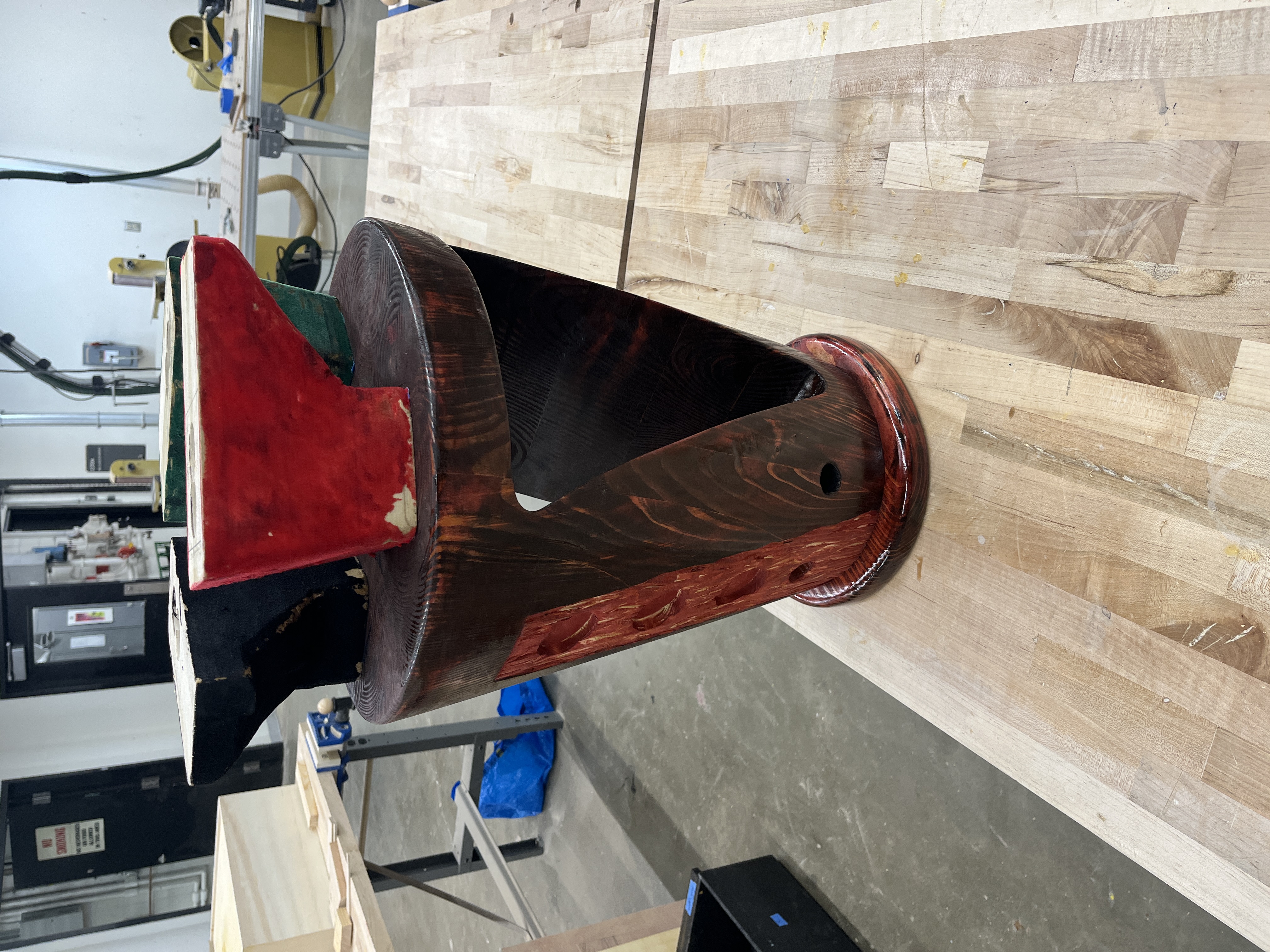
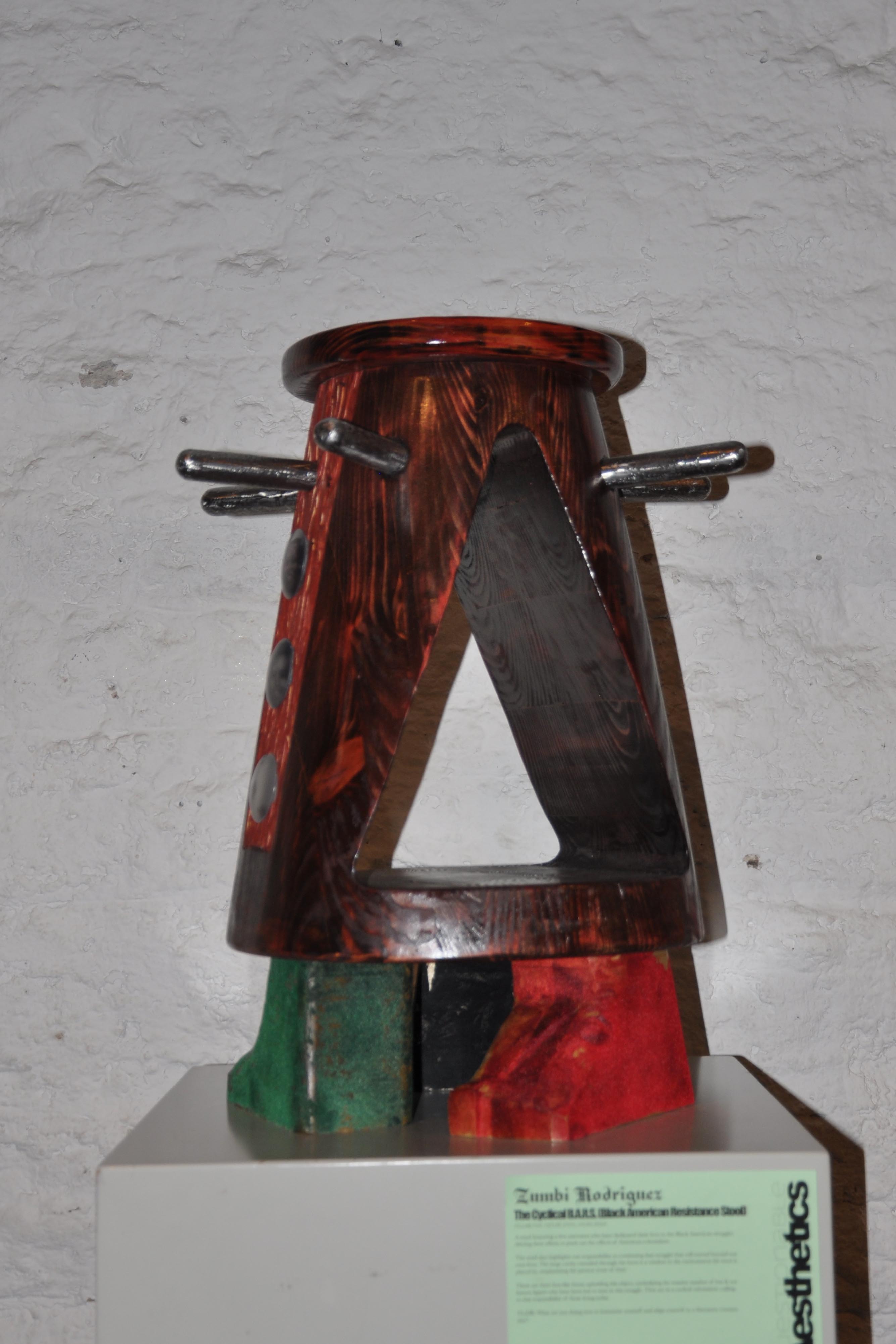
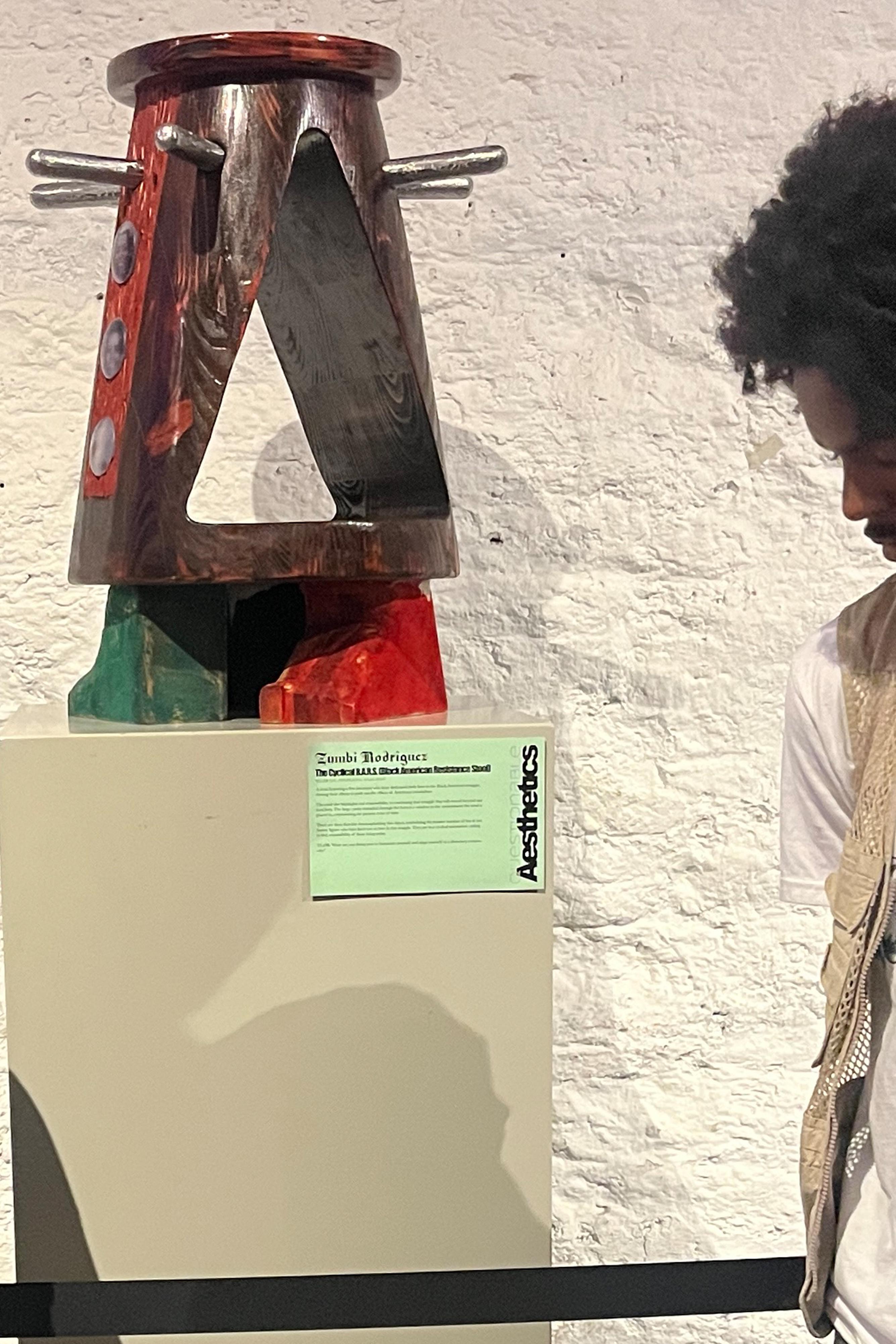
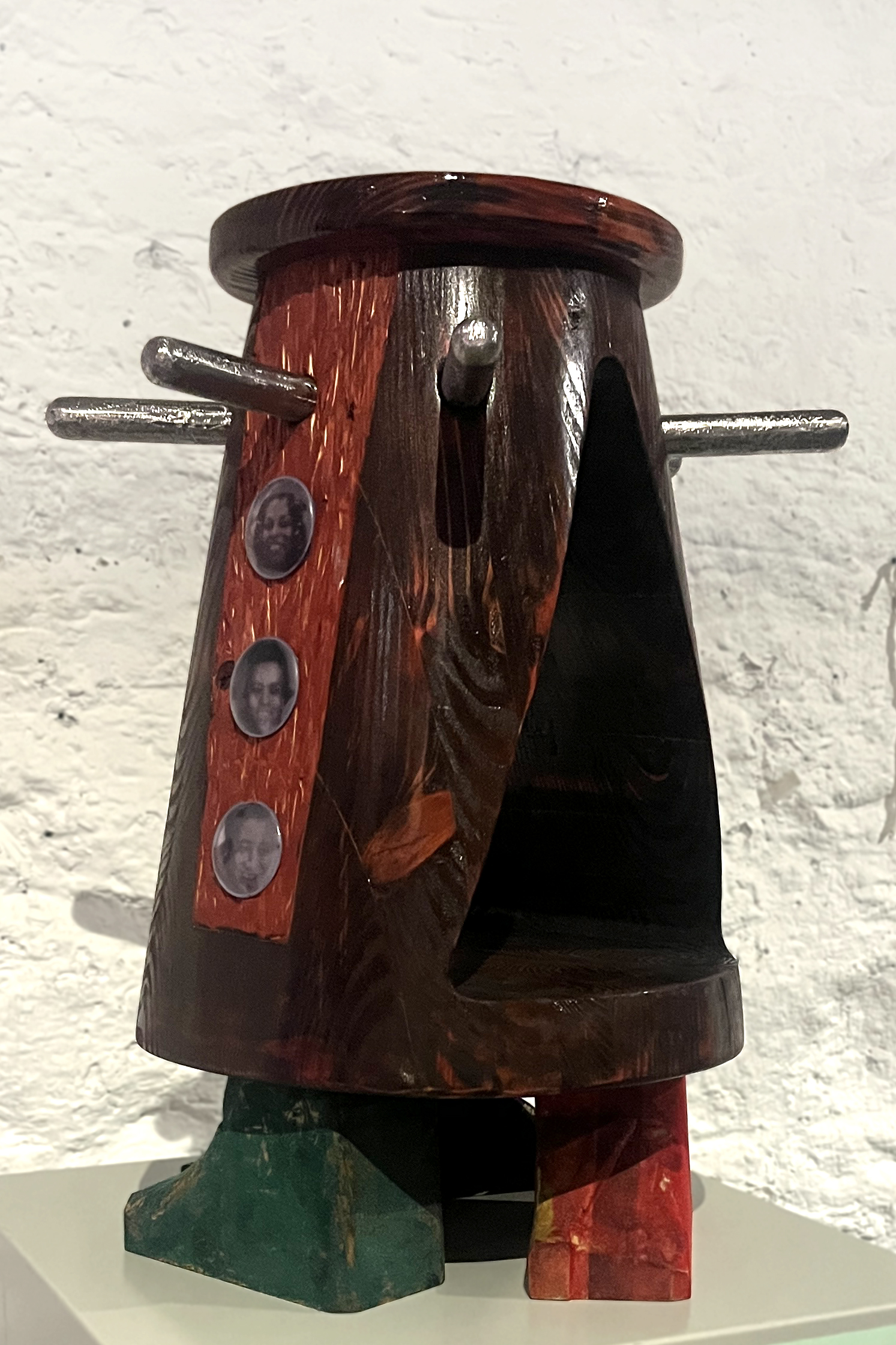
A cultural stool not to be sat on. Honoring the past contributions of Black American leaders & highlighting the responsibility of us living today.
This project was more instinctive, based heavily upon my personal surroundings and influences rather than calculative research & seeking out specific references, like other projects displayed on this site.
Alternative document formats
I have a pdf process book and a 3-part video, along with this website, to show the process of this project. You can take your pick:
SKETCHING
Exploring forms

Imaginative form sketches to discover something visually appealing
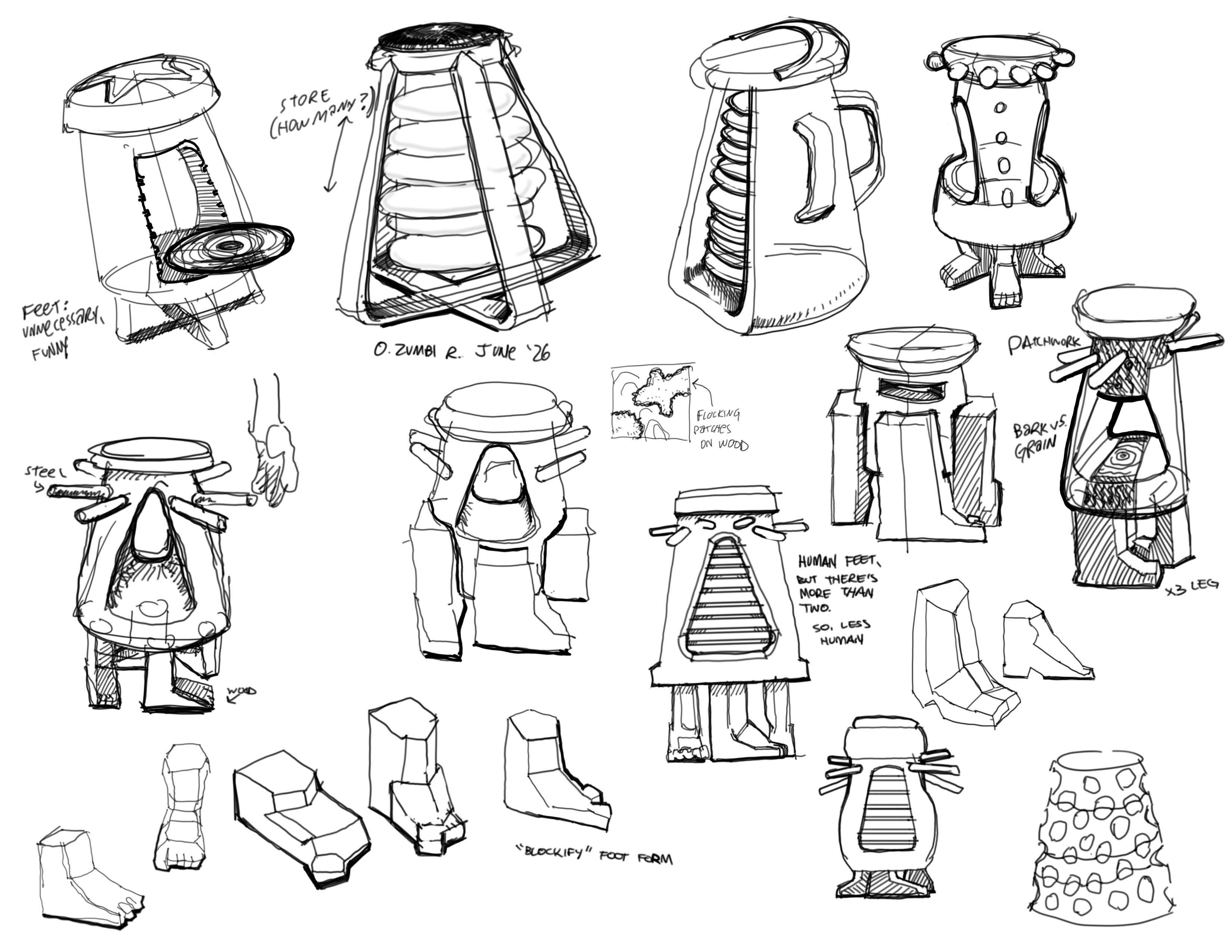
Deciding to explore this 7" record-holding wooden stool with rods sticking out of it
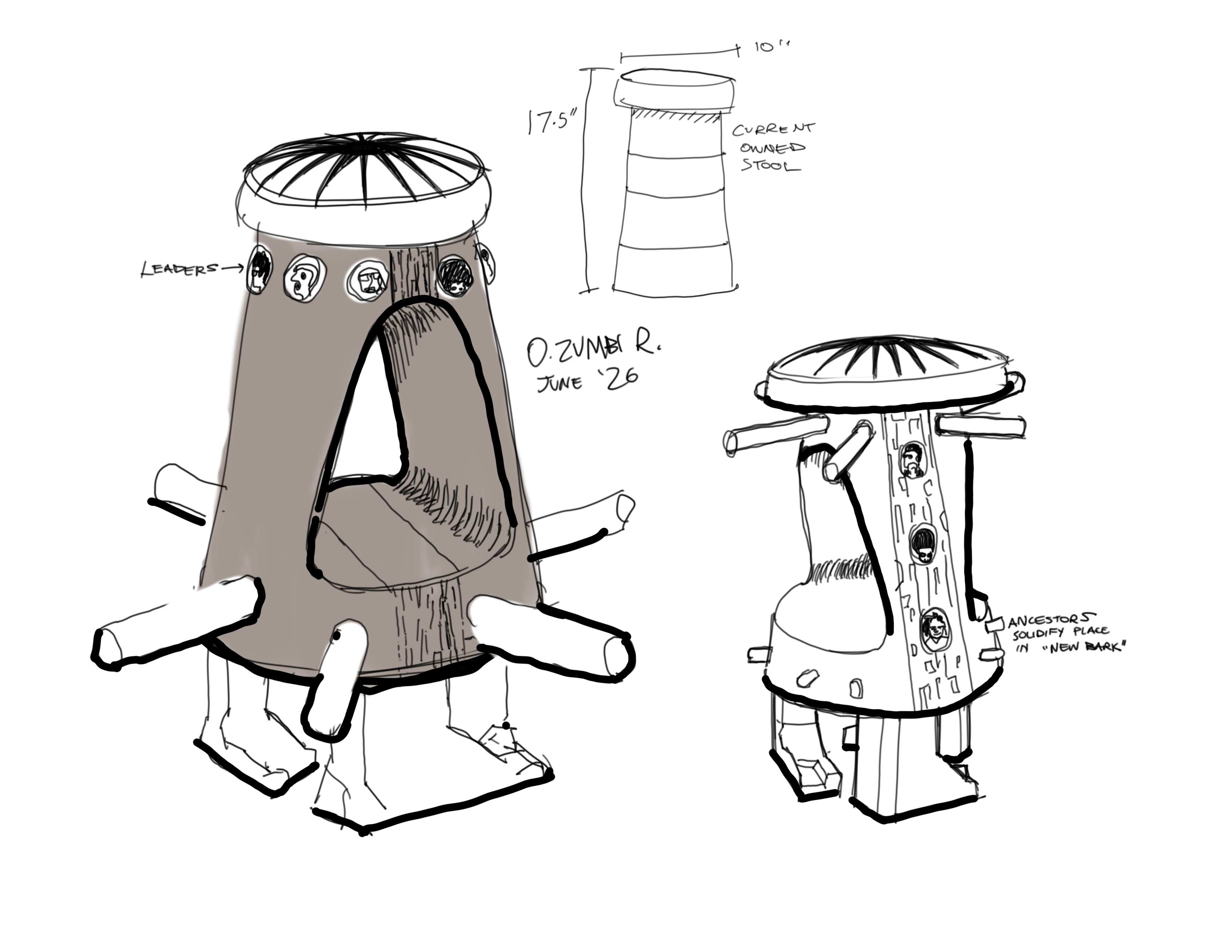
Expanding on the concept of the stool, exploring how to make the wood more dynamic
SKETCHING
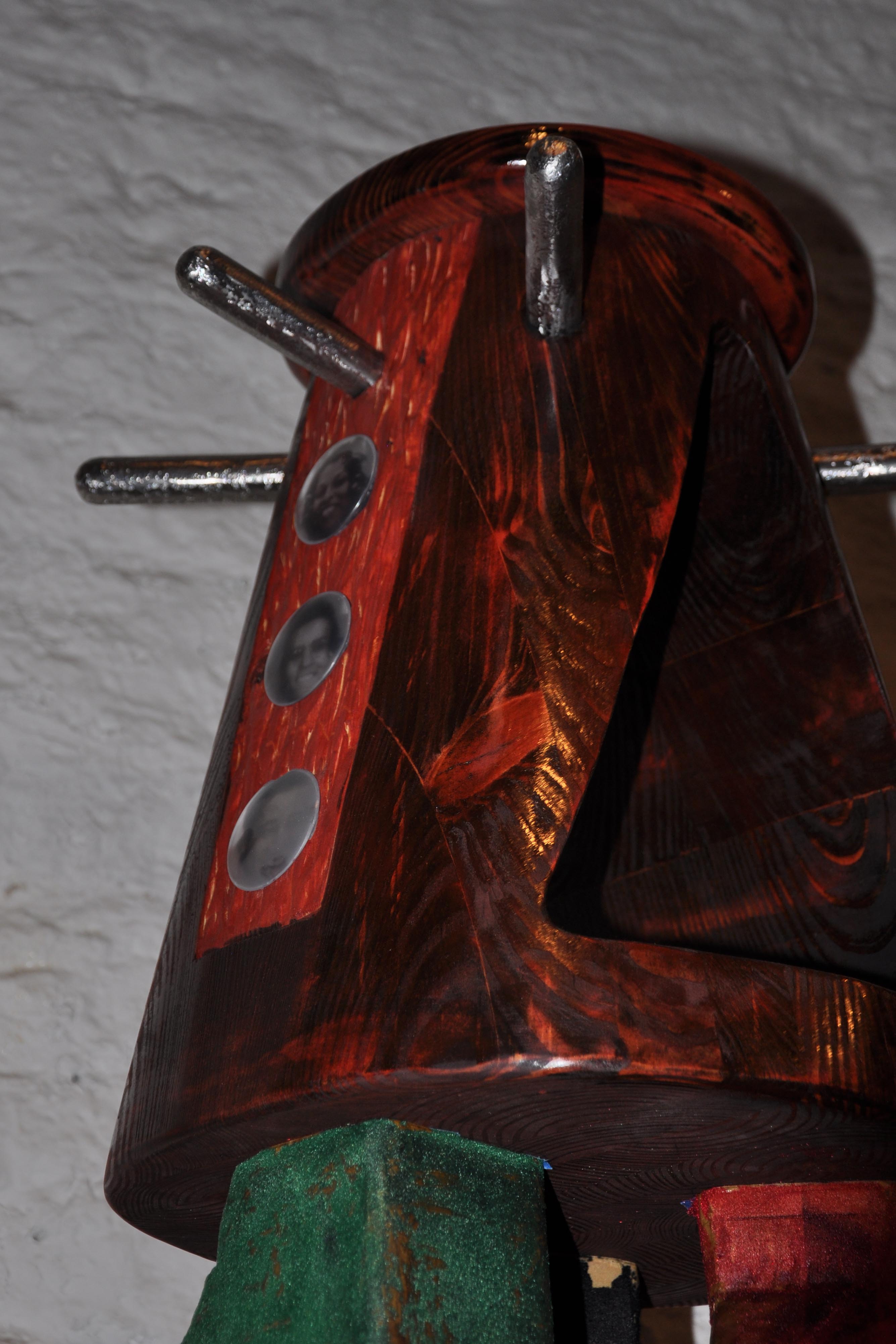
The final drawn concept
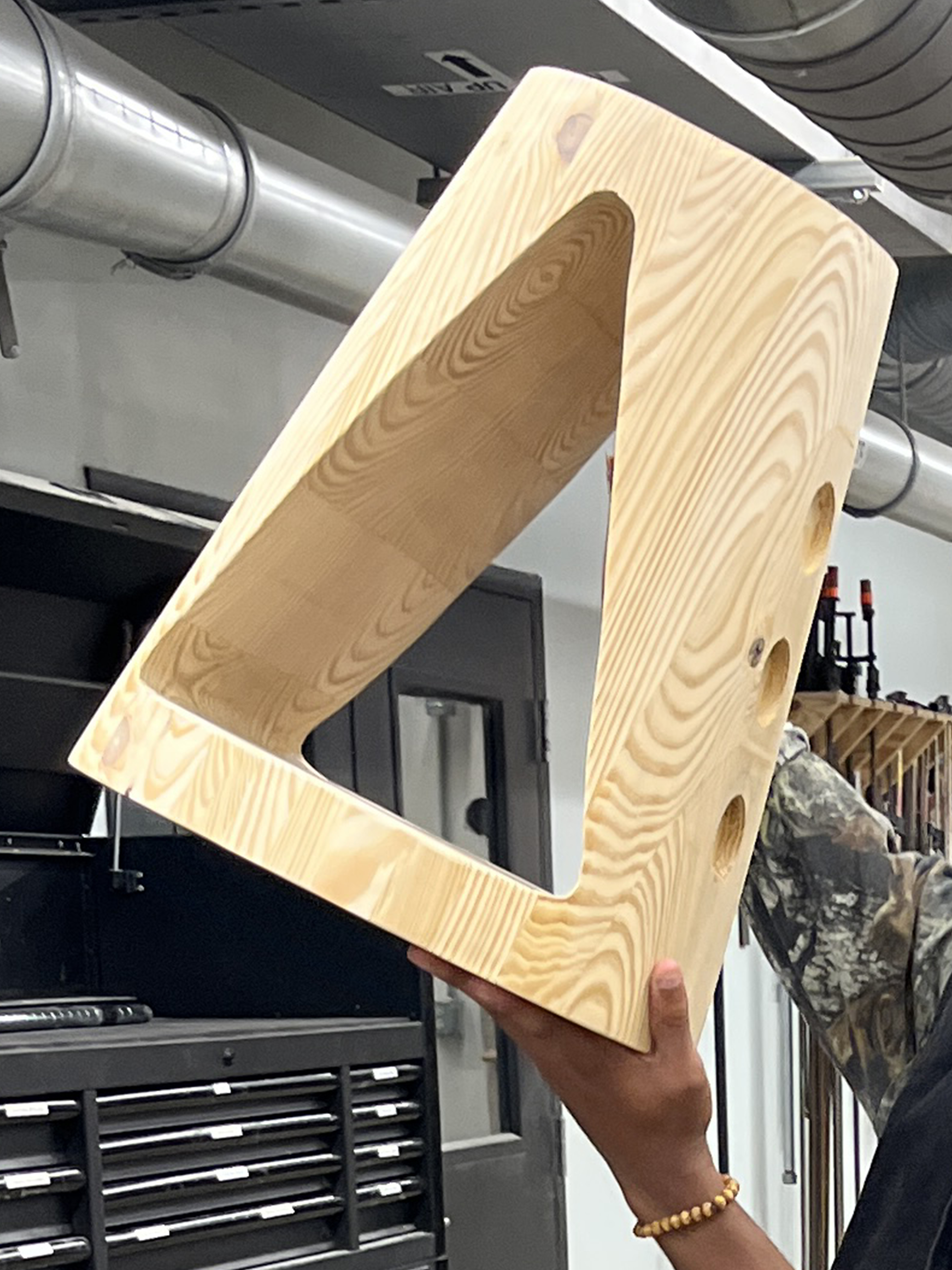
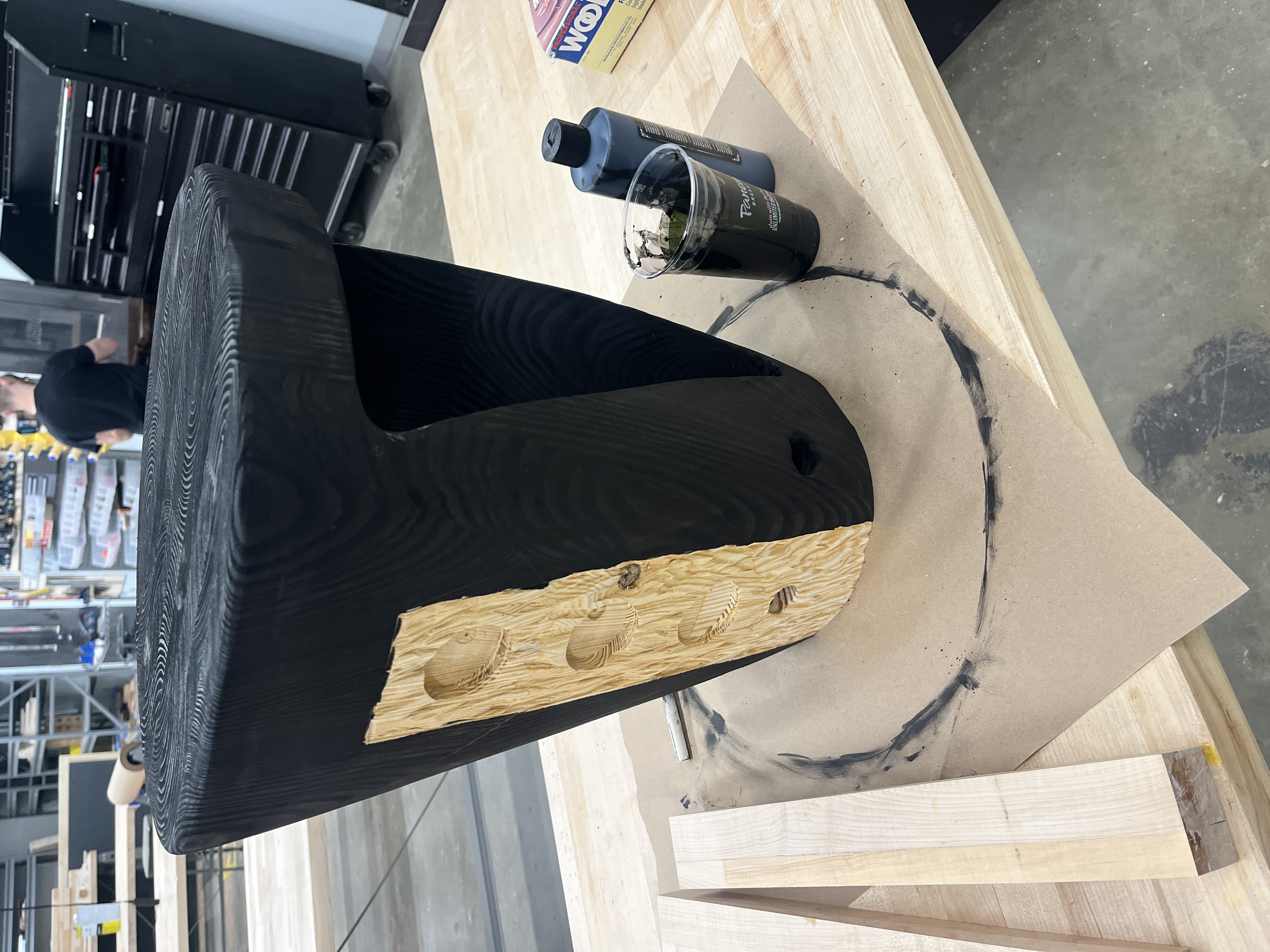
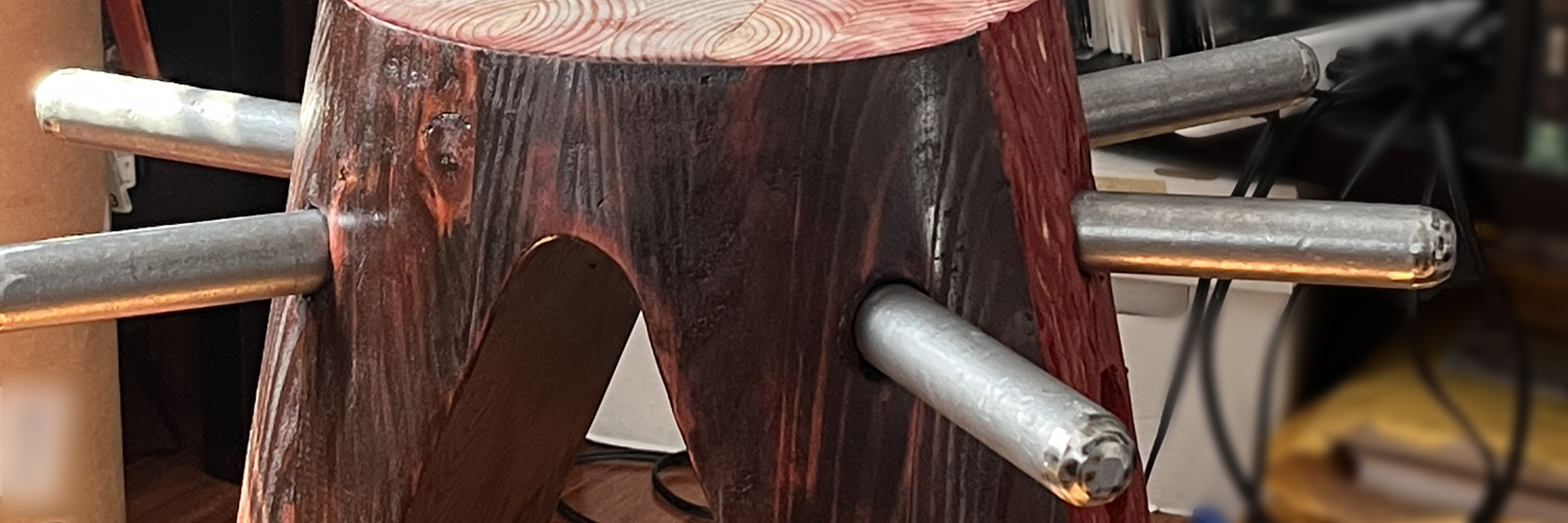
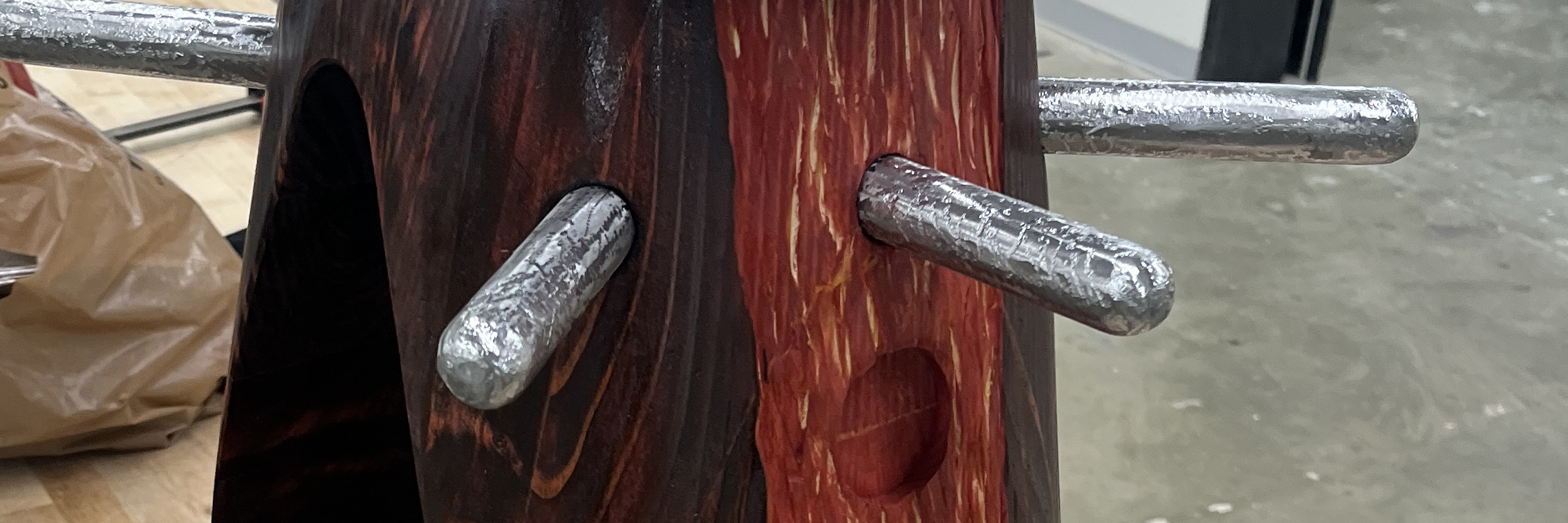
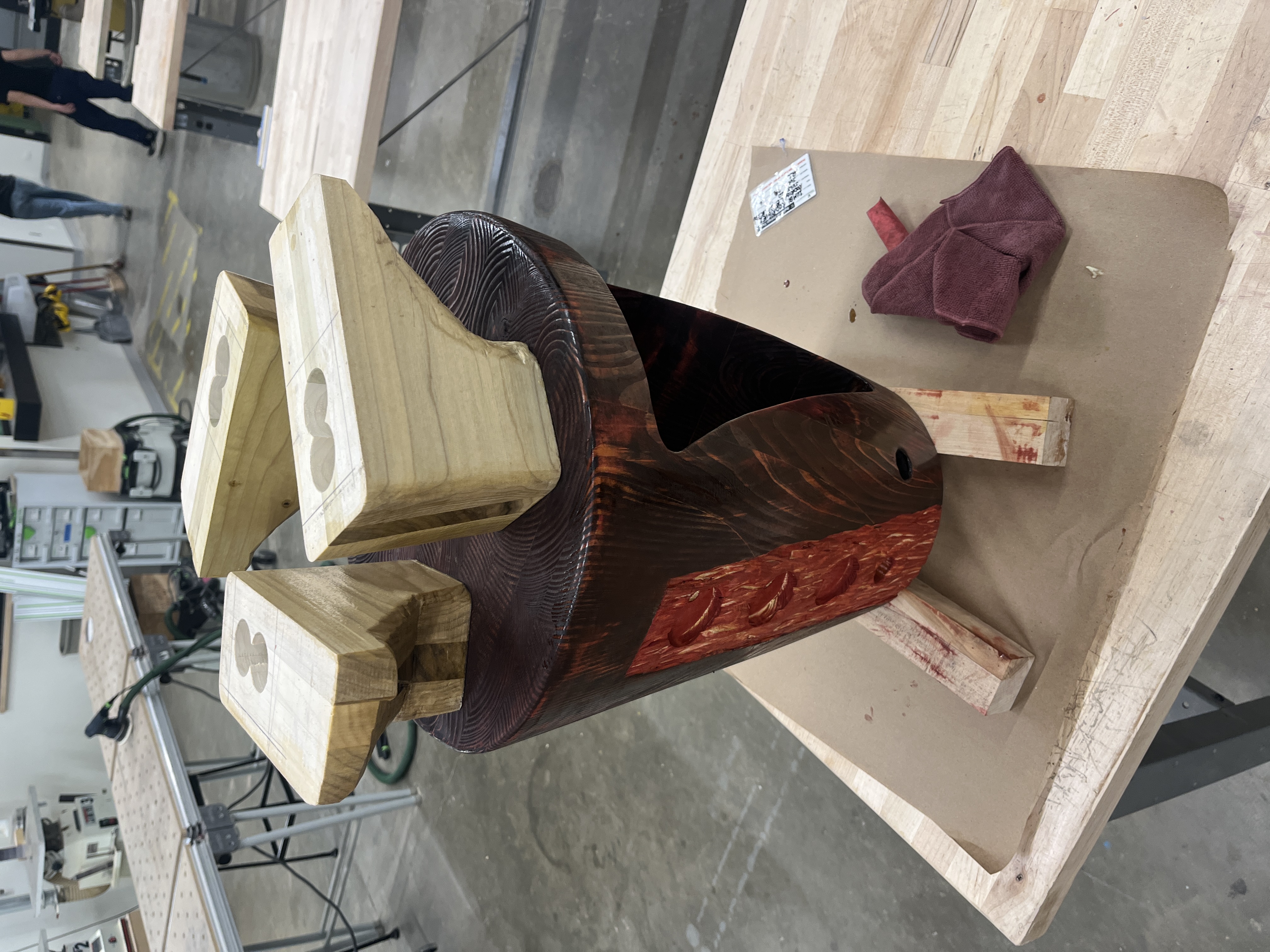
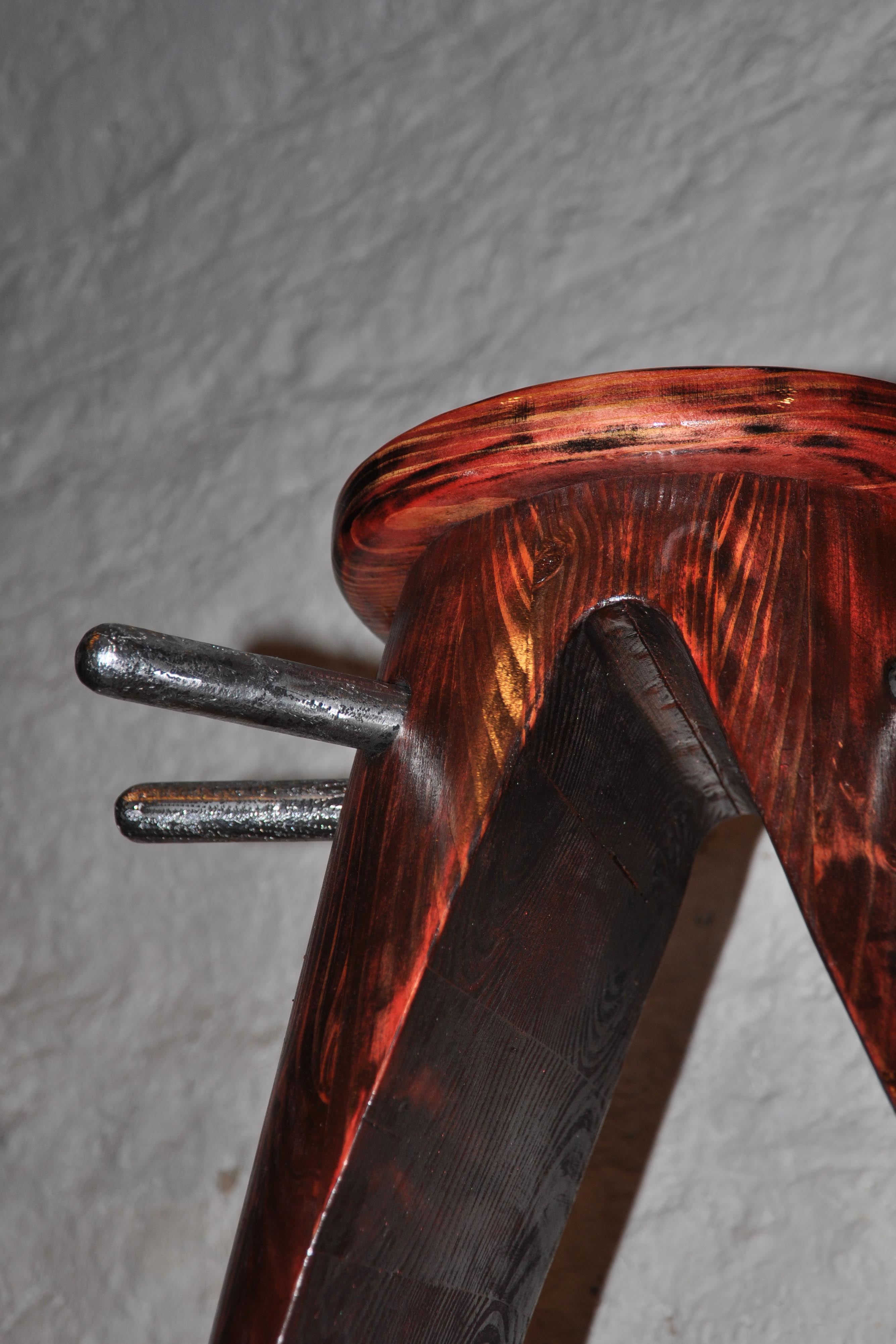
- A wooden body with a triangular extrusion through it
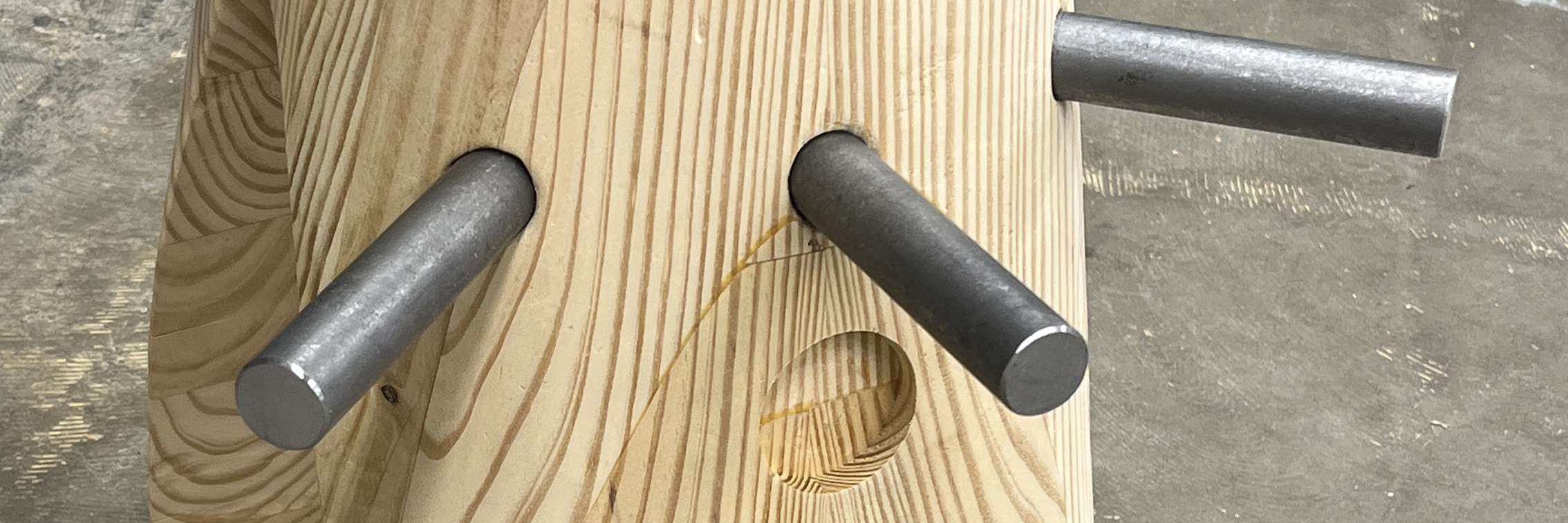
- Protruding steel rods
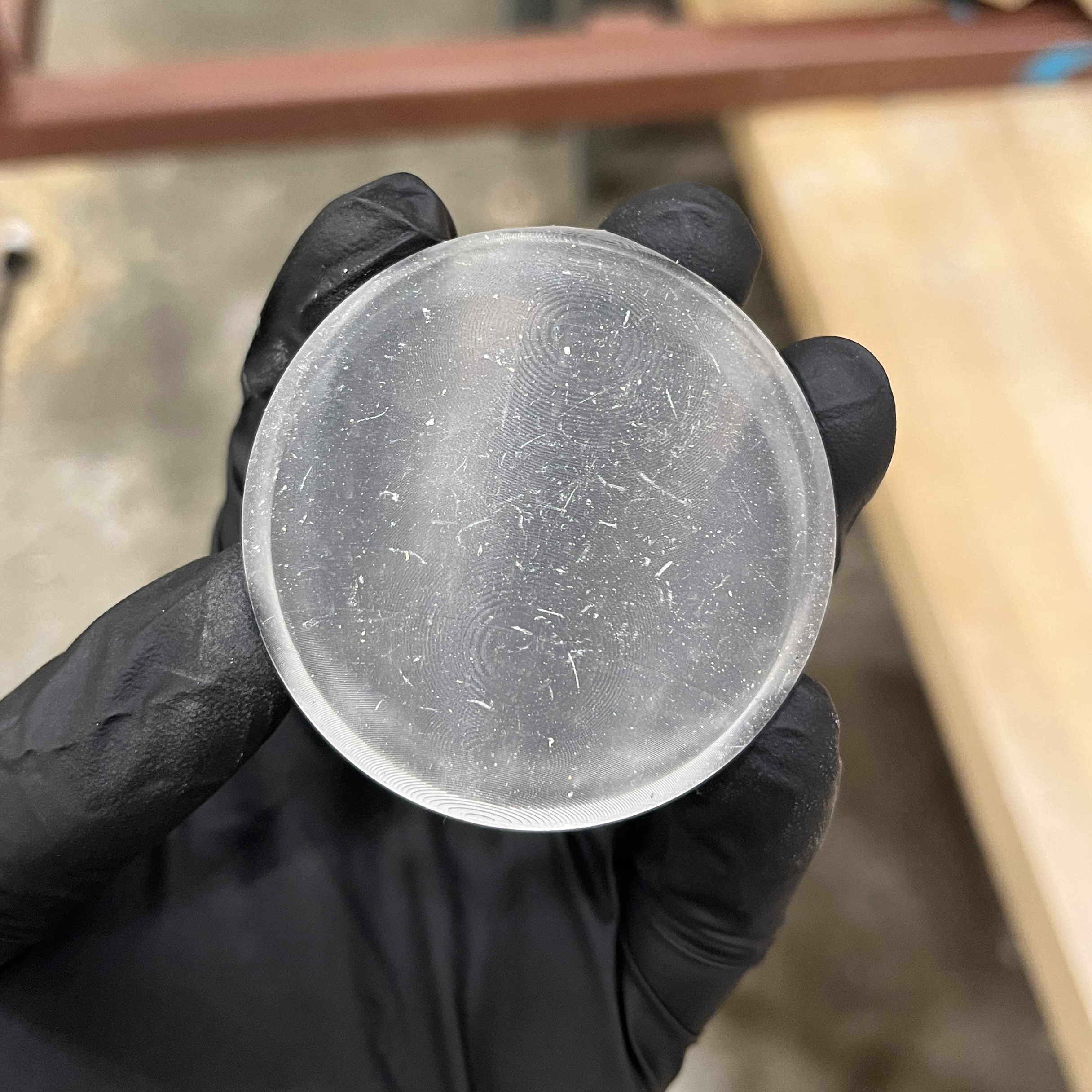
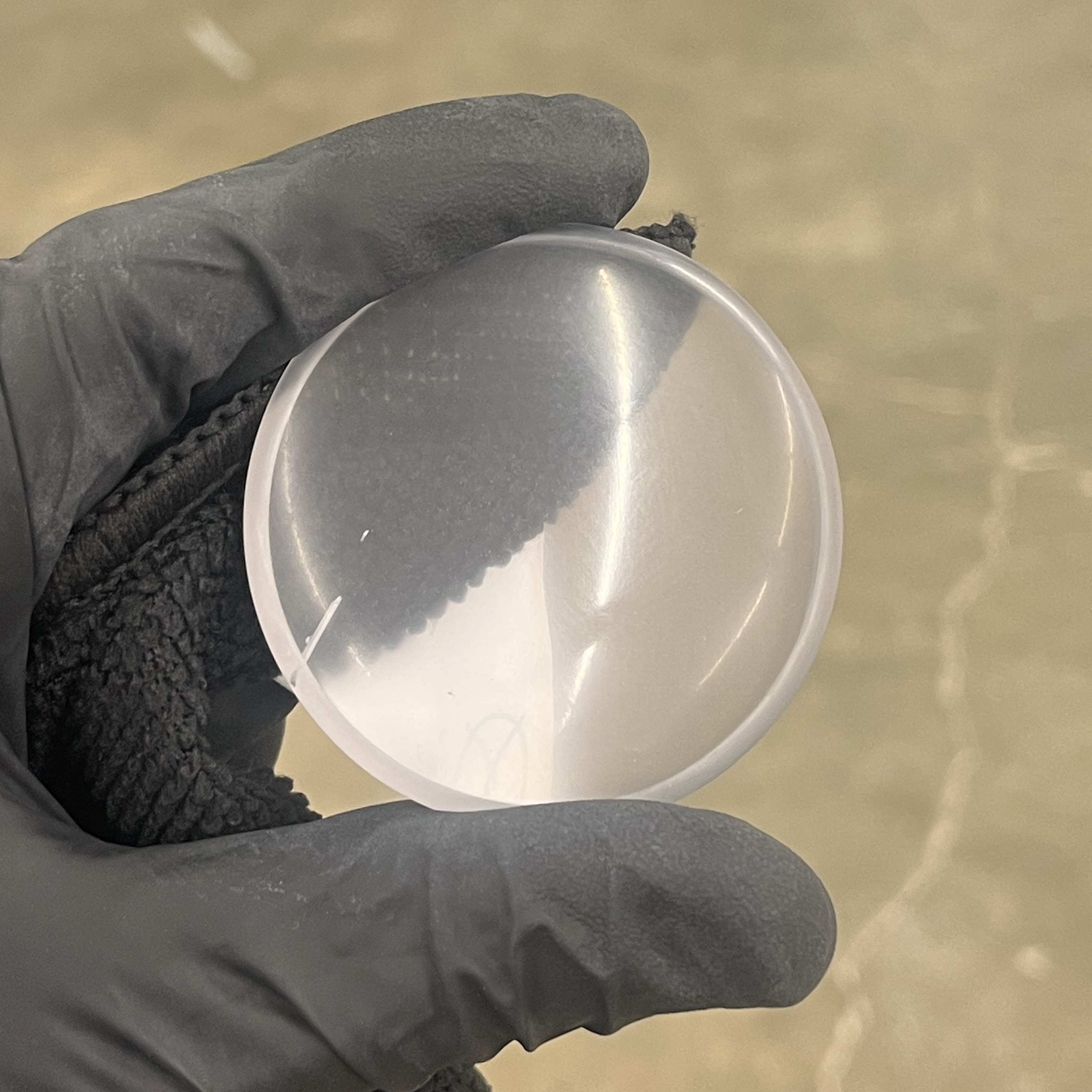
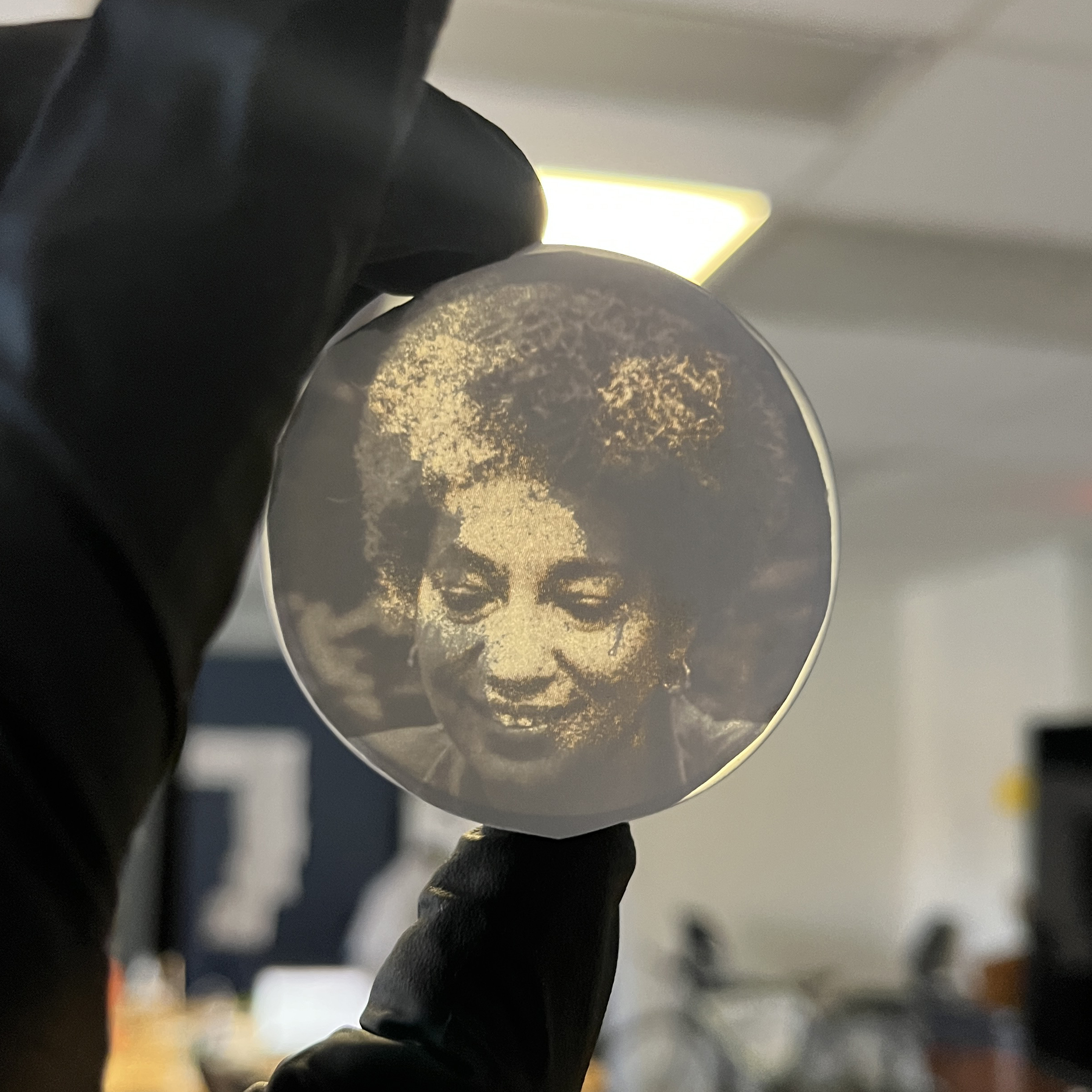
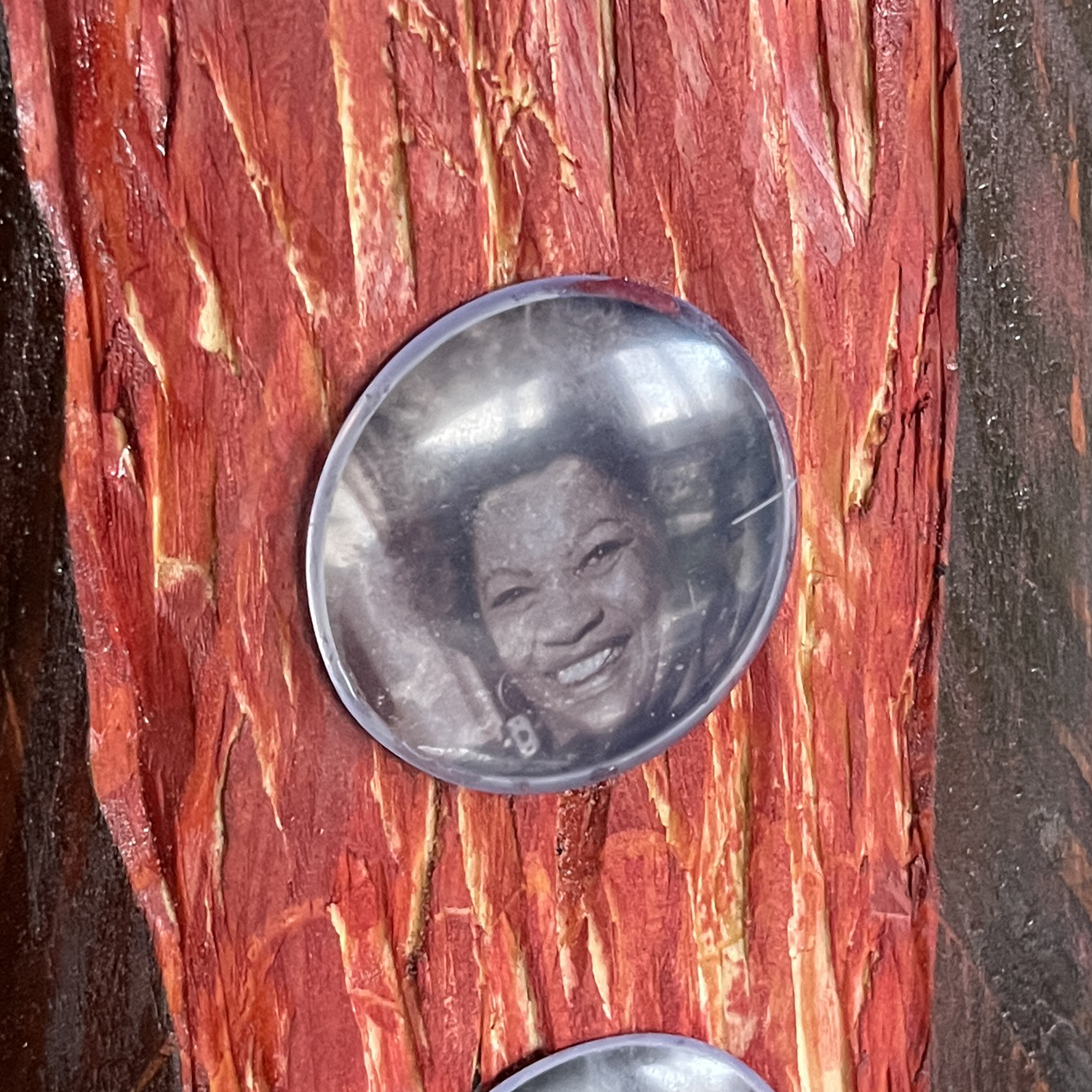
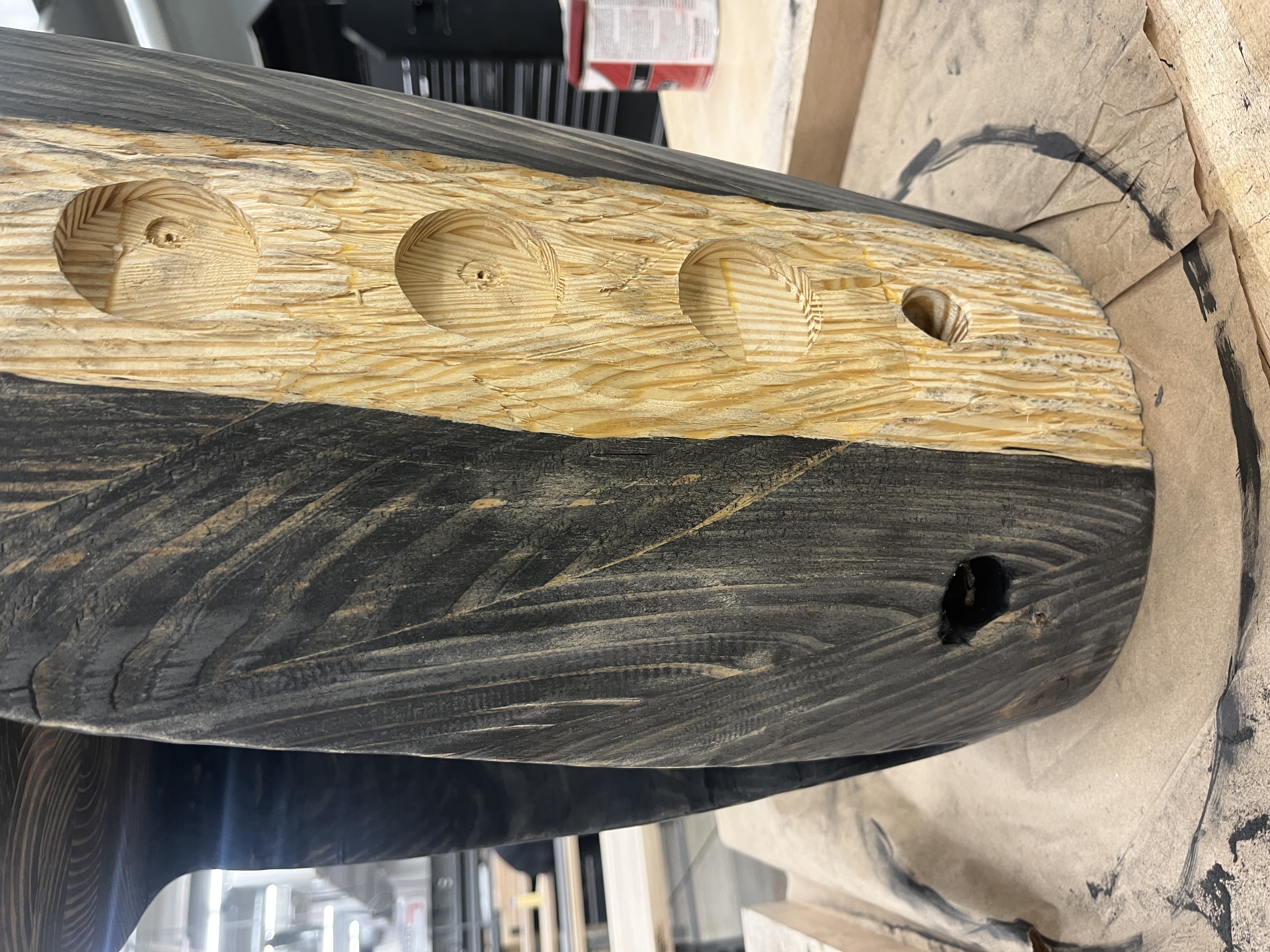
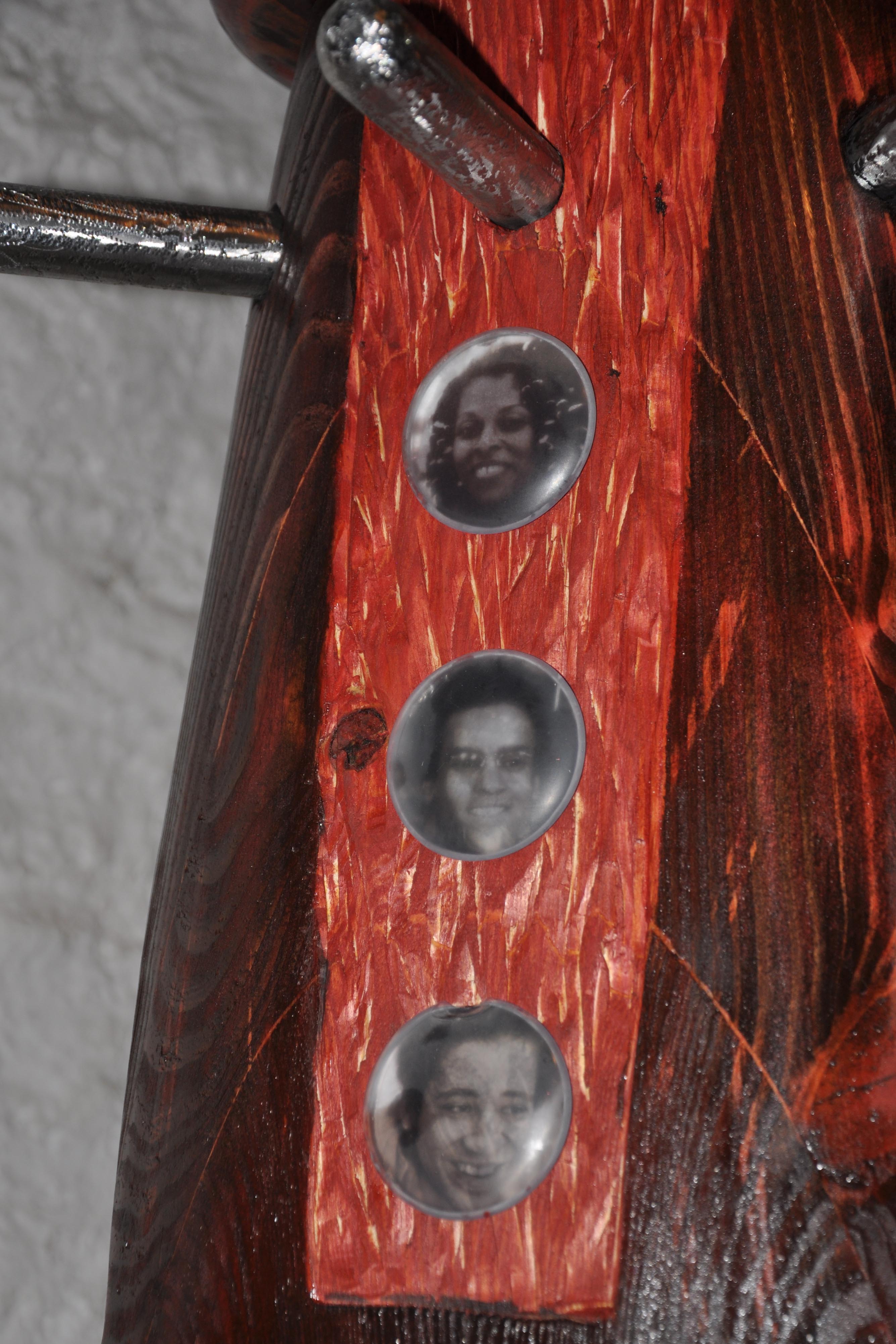
- Six Black American ancestors behind circular resin screens
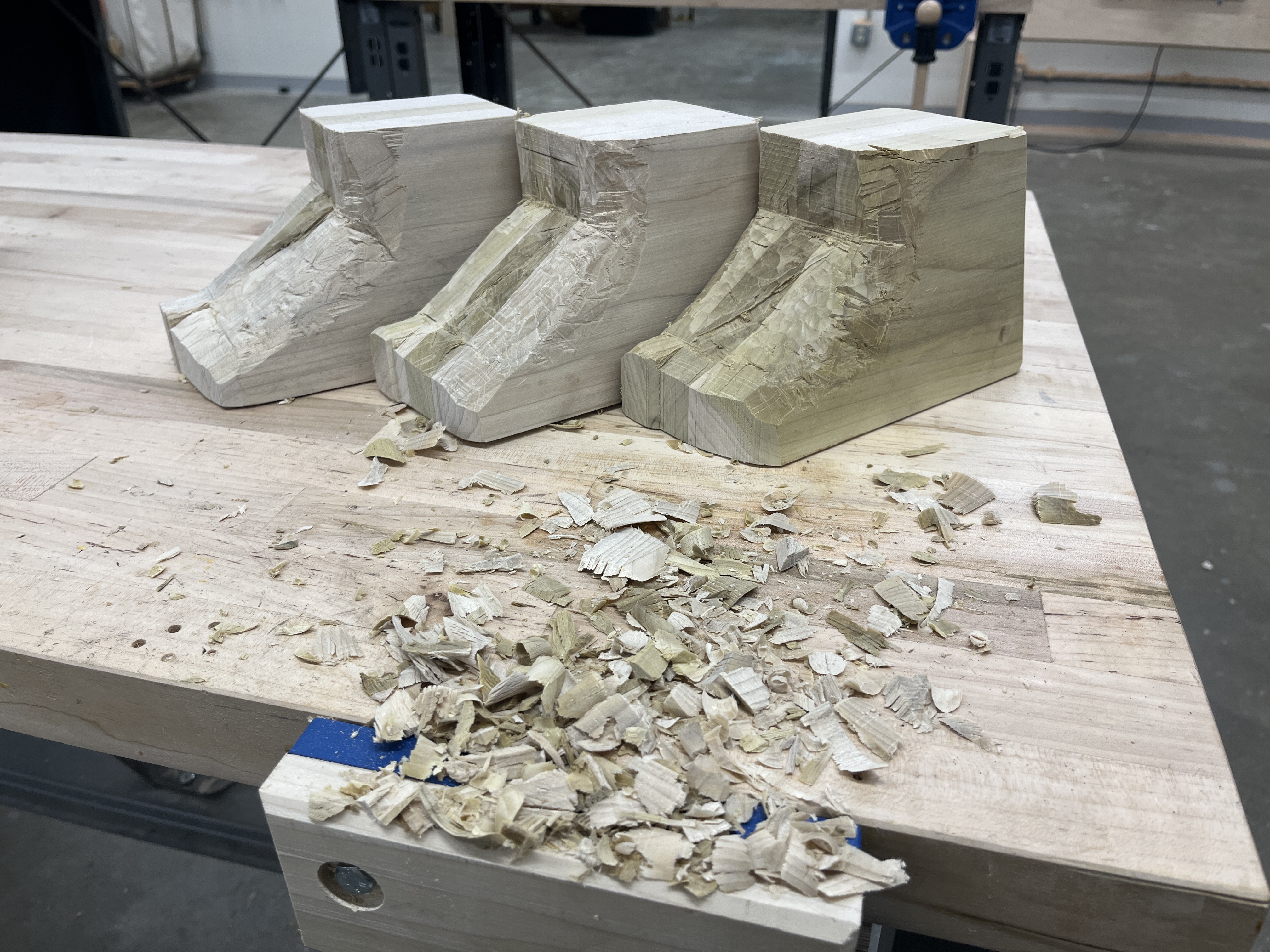
- Wooden feet covered in red, black, and green flocking
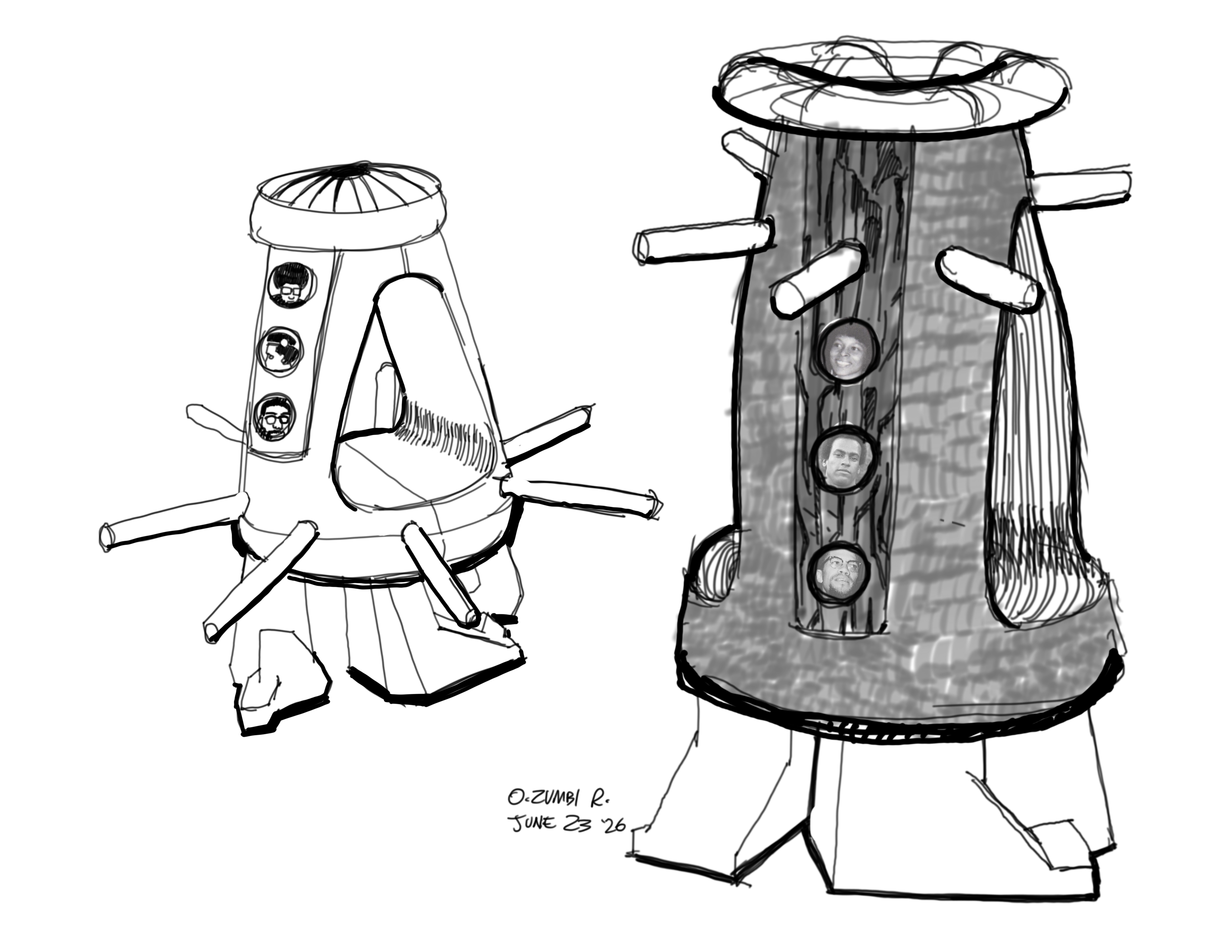
CONCEPT
Influences & concept explained
Themes of Pan-Africanism, black history, and the urgency of modern times were the themes surrounding my life while working on this project, so I worked them into the project, like using the colors of the Pan-African flag (red, black, and green), their respective meanings, and honoring 6 Black American ancestors in the stool.
I selected wood as the main material for the stool because of its strong association in traditional African sculpture.
Honoring the past
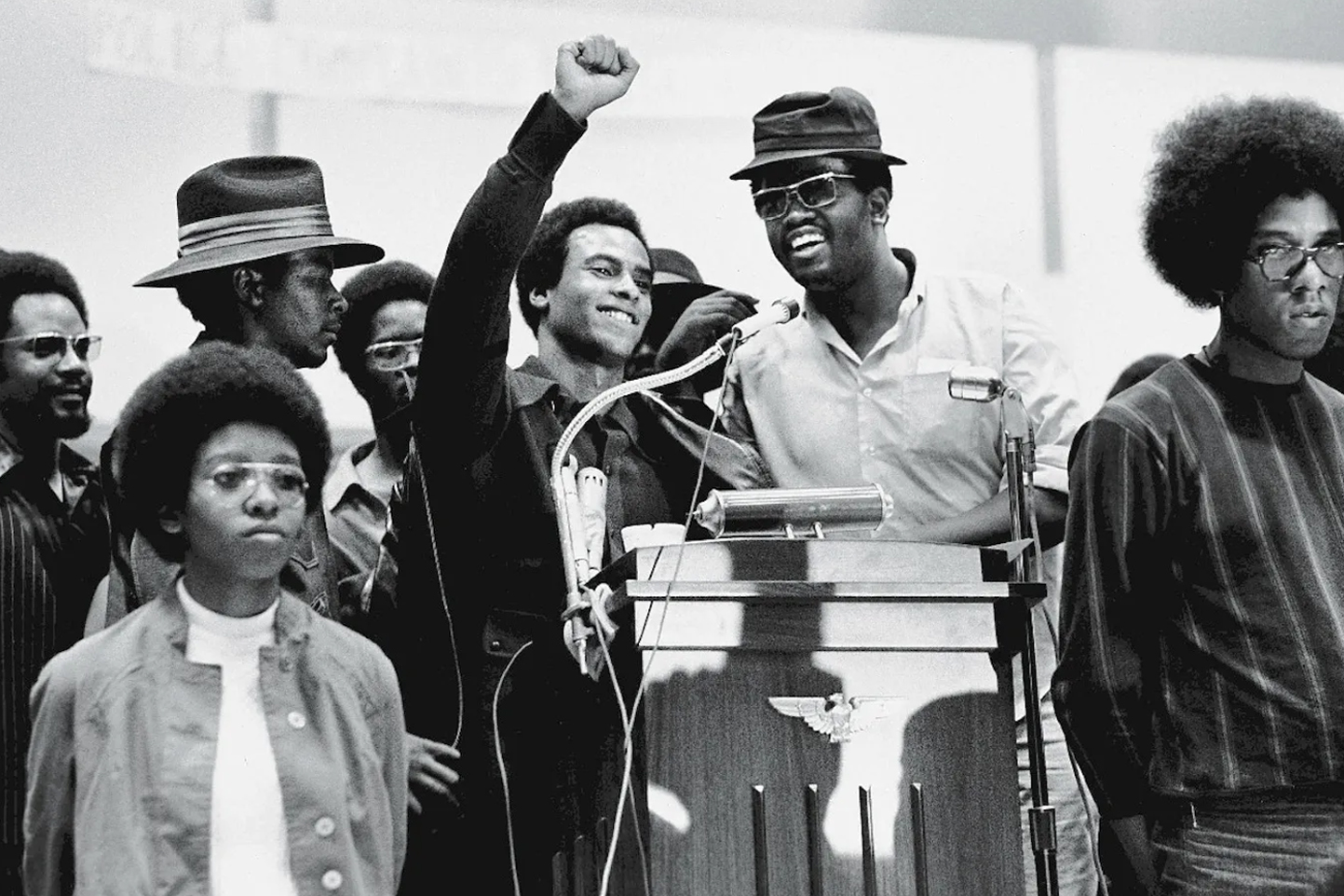
Honoring the contributions of those who came before us & our responsibility to continue their work
Pan-Africanism

Utilizing the colors & meanings of Marcus Garvey's classic UNIA flag
Ghanaian asante stool
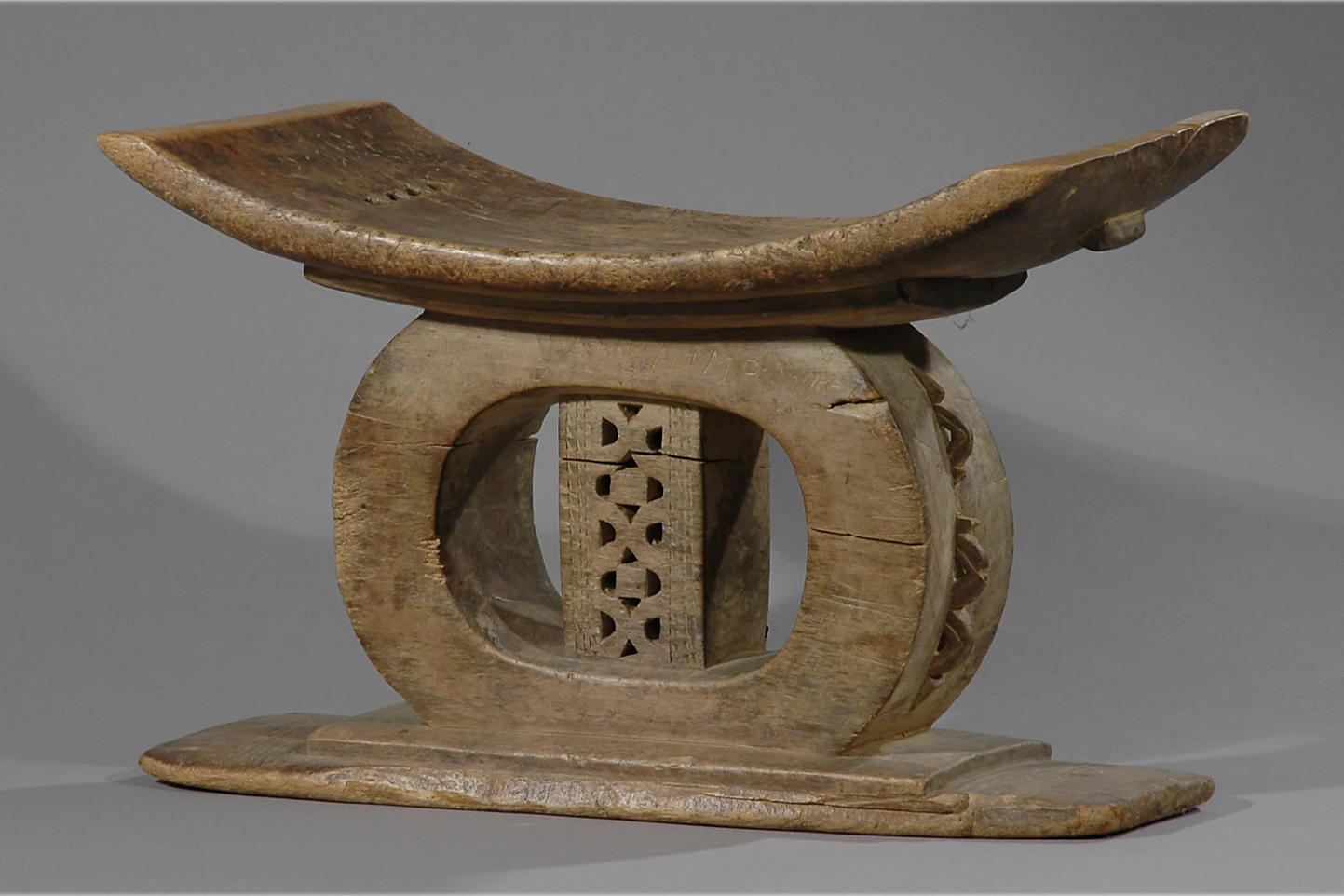
A stool hid from community residents, not meant to be looked at or sat on. The predecessor of this Cyclical B.A.R.S.
PLANNING
Plans to build a solid wood stool
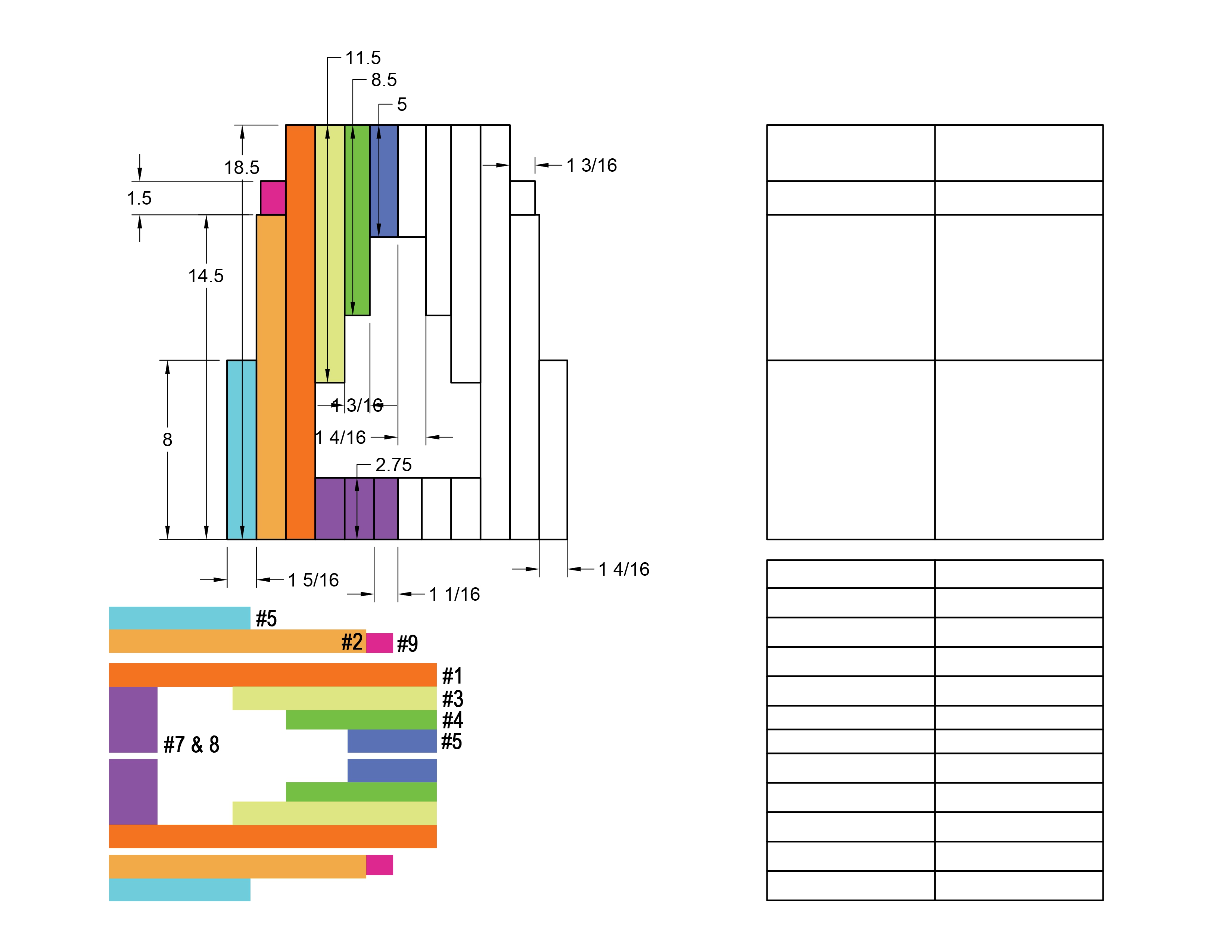
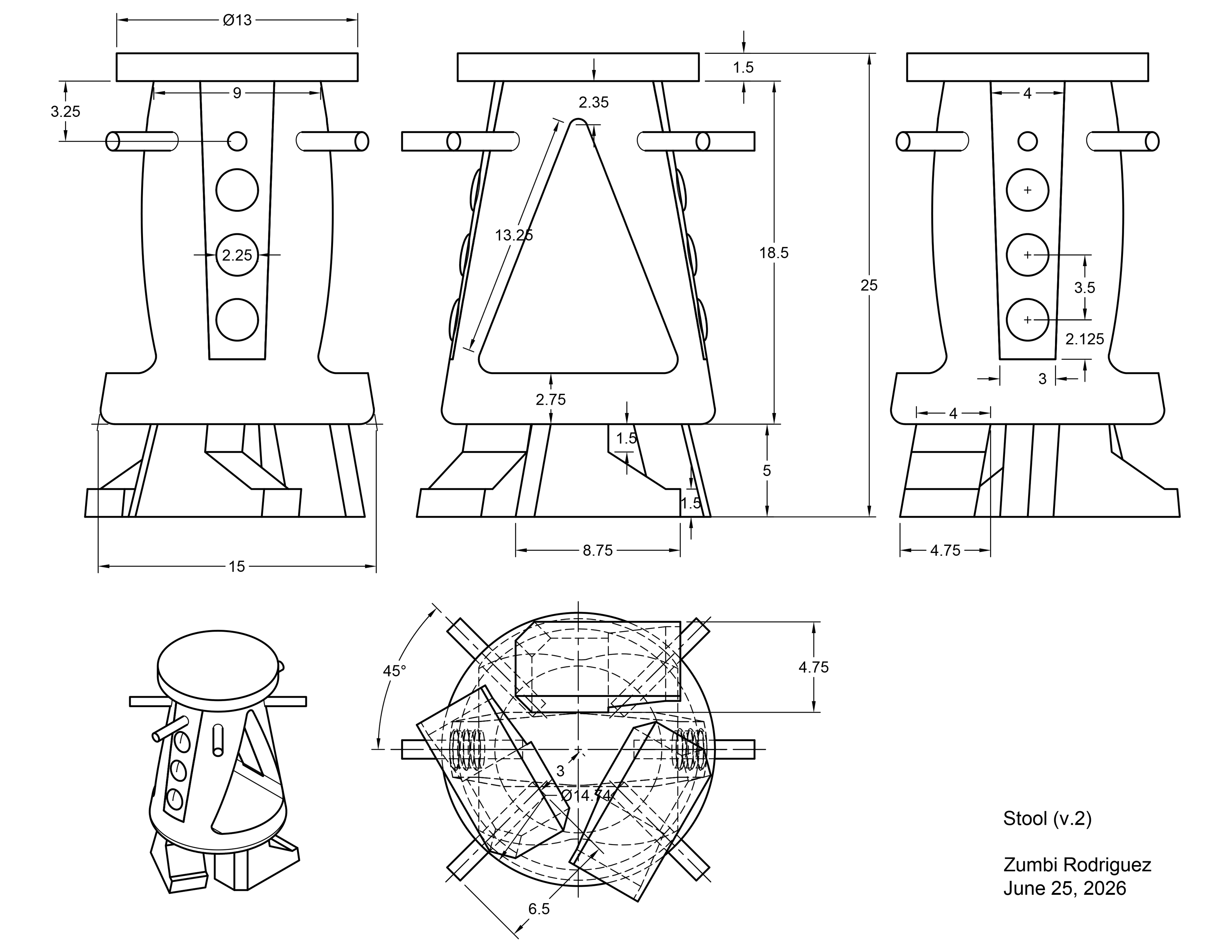
I used Fusion 360 to build 2 models:
- A representative model to show the appearance of the stool.
- A model to visualize the 'built' version, simplifying the complex 36-piece assembly of yellow pine that make the stool.
BUILDING
Prototyping
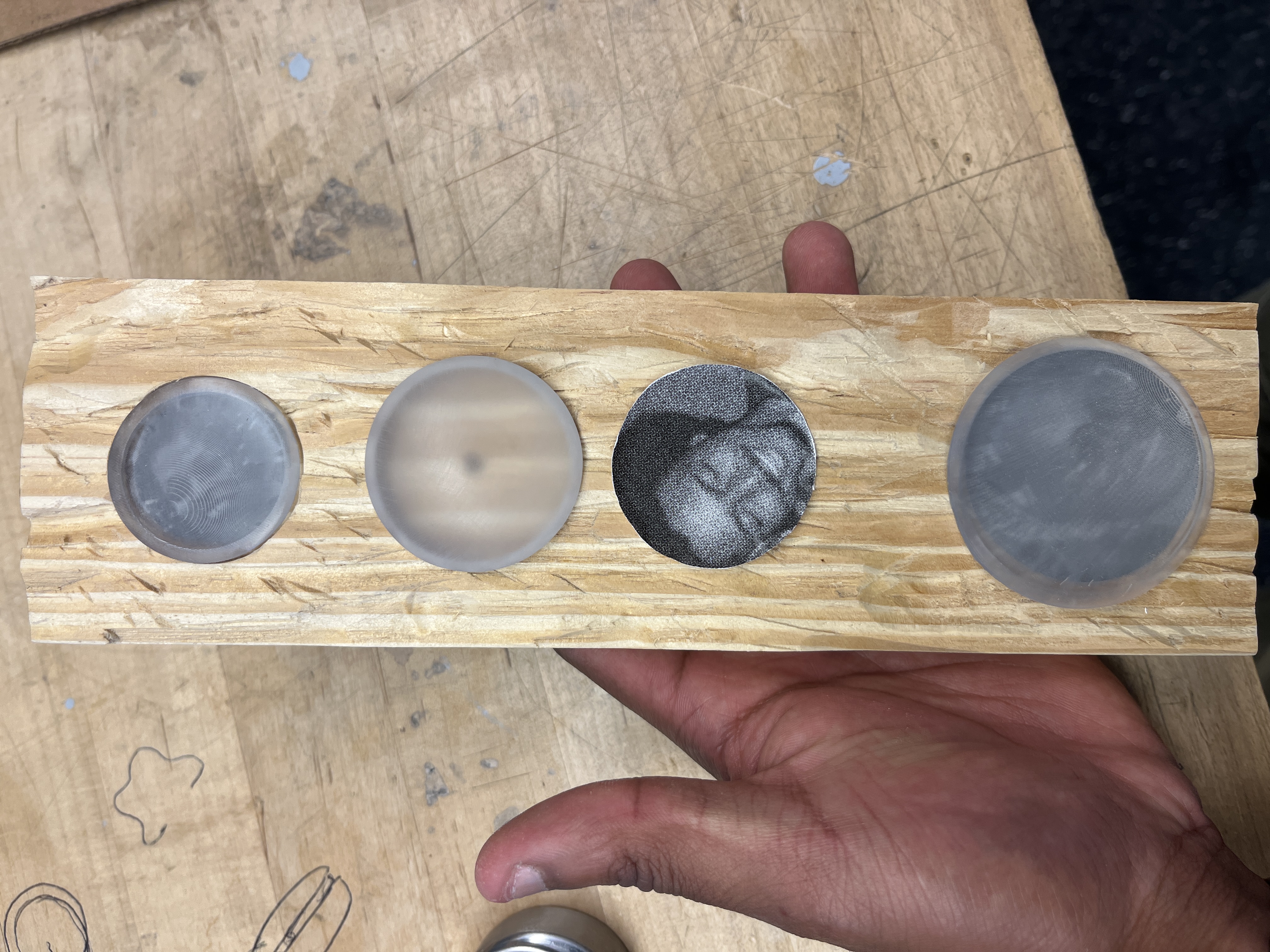
Testing different resin-printed & hand-sanded screen inserts over prints
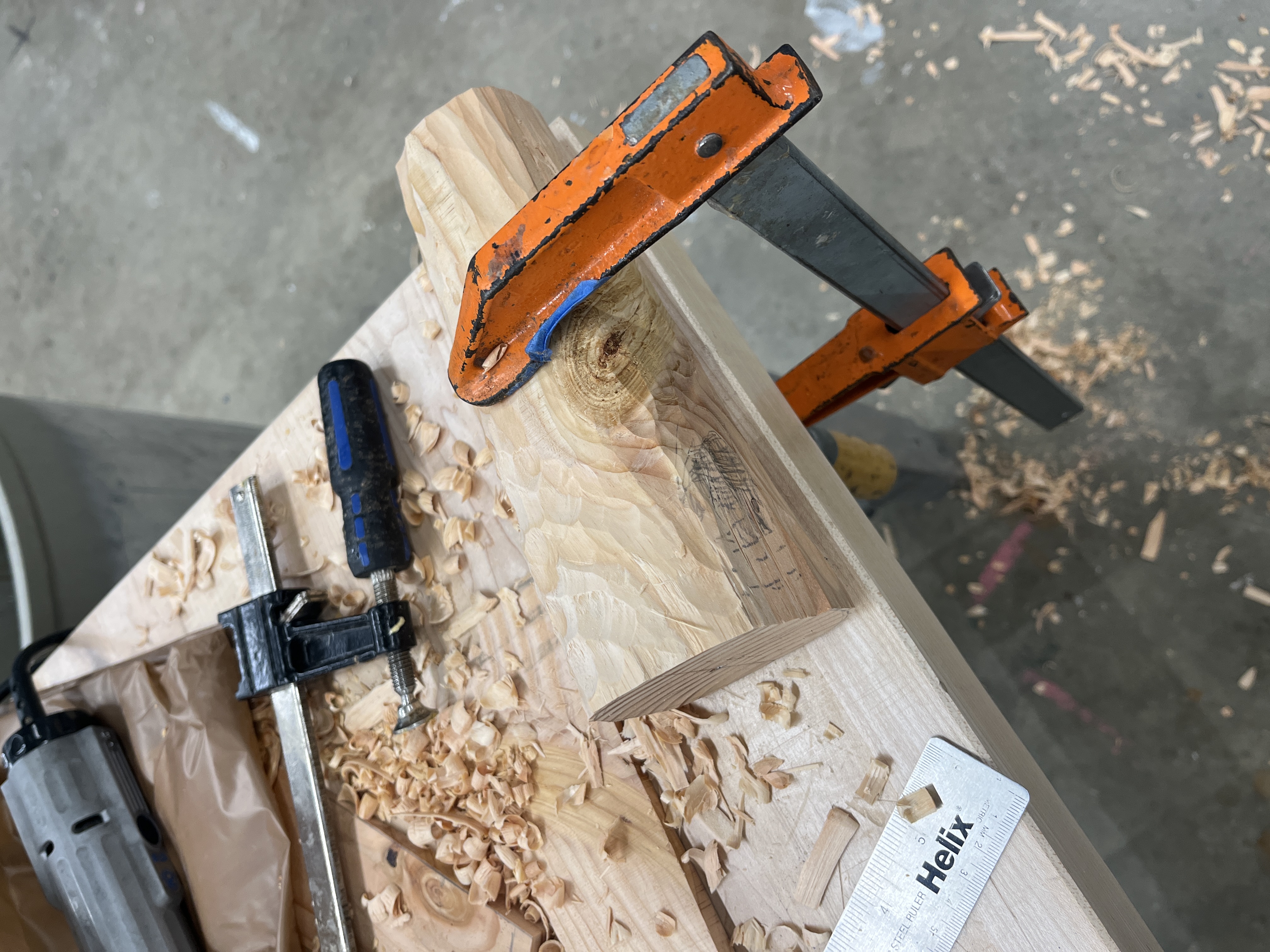
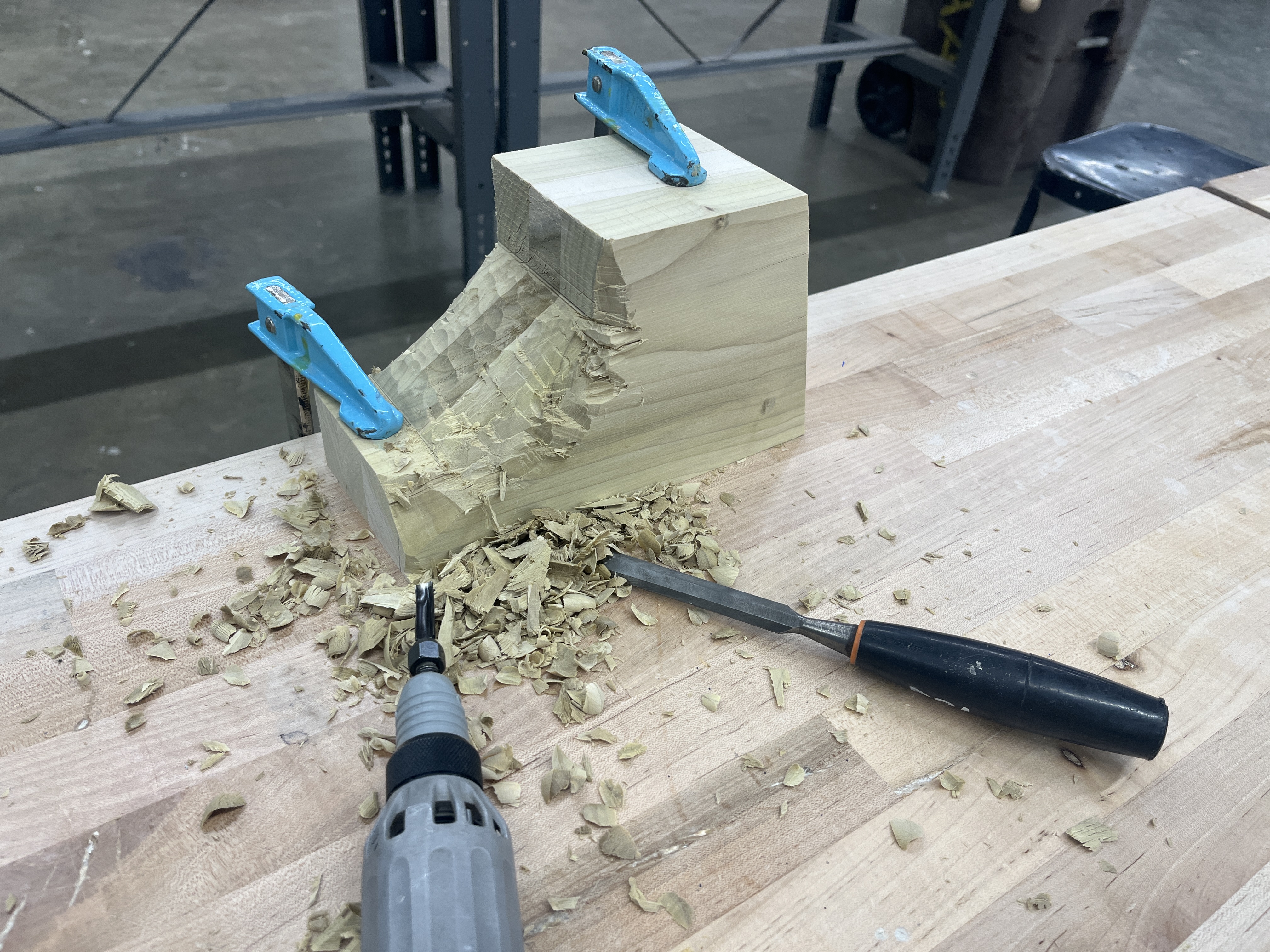
Practicing wood carving and scale models of the stool's form.
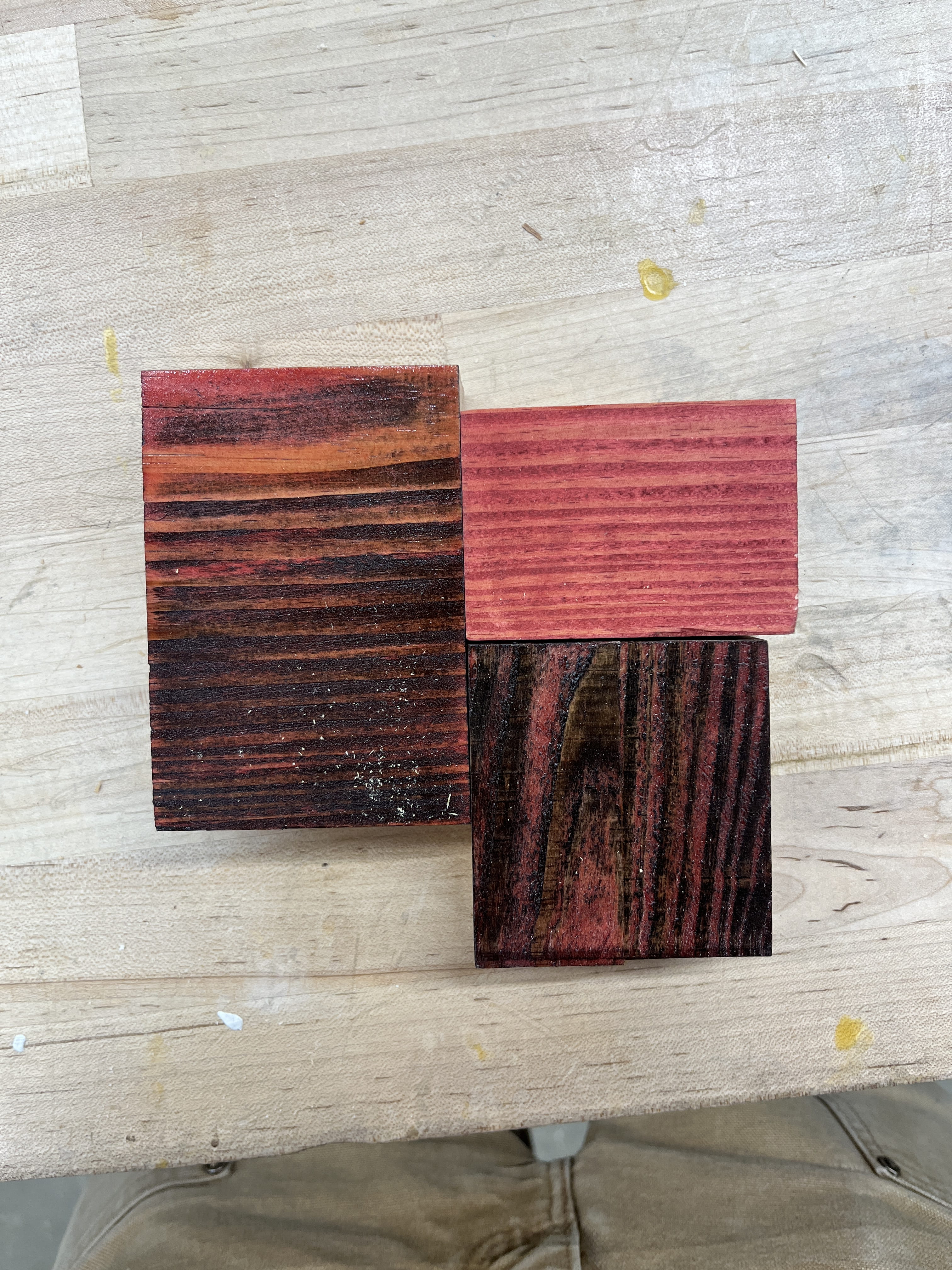
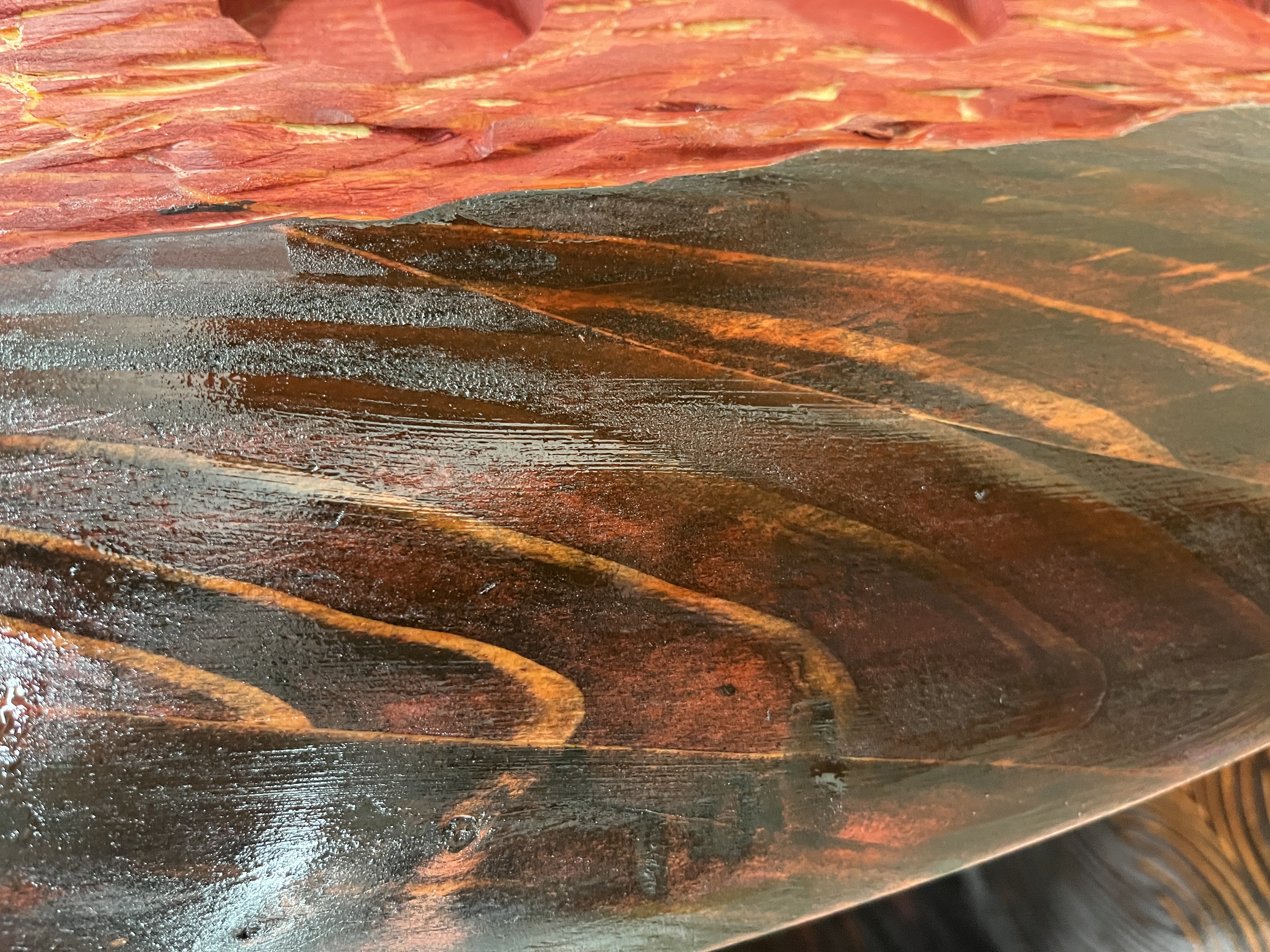
Trying different layers of stains and inks on yellow pine for wood finishing.
BUILDING
Building the main structure for 4 weeks
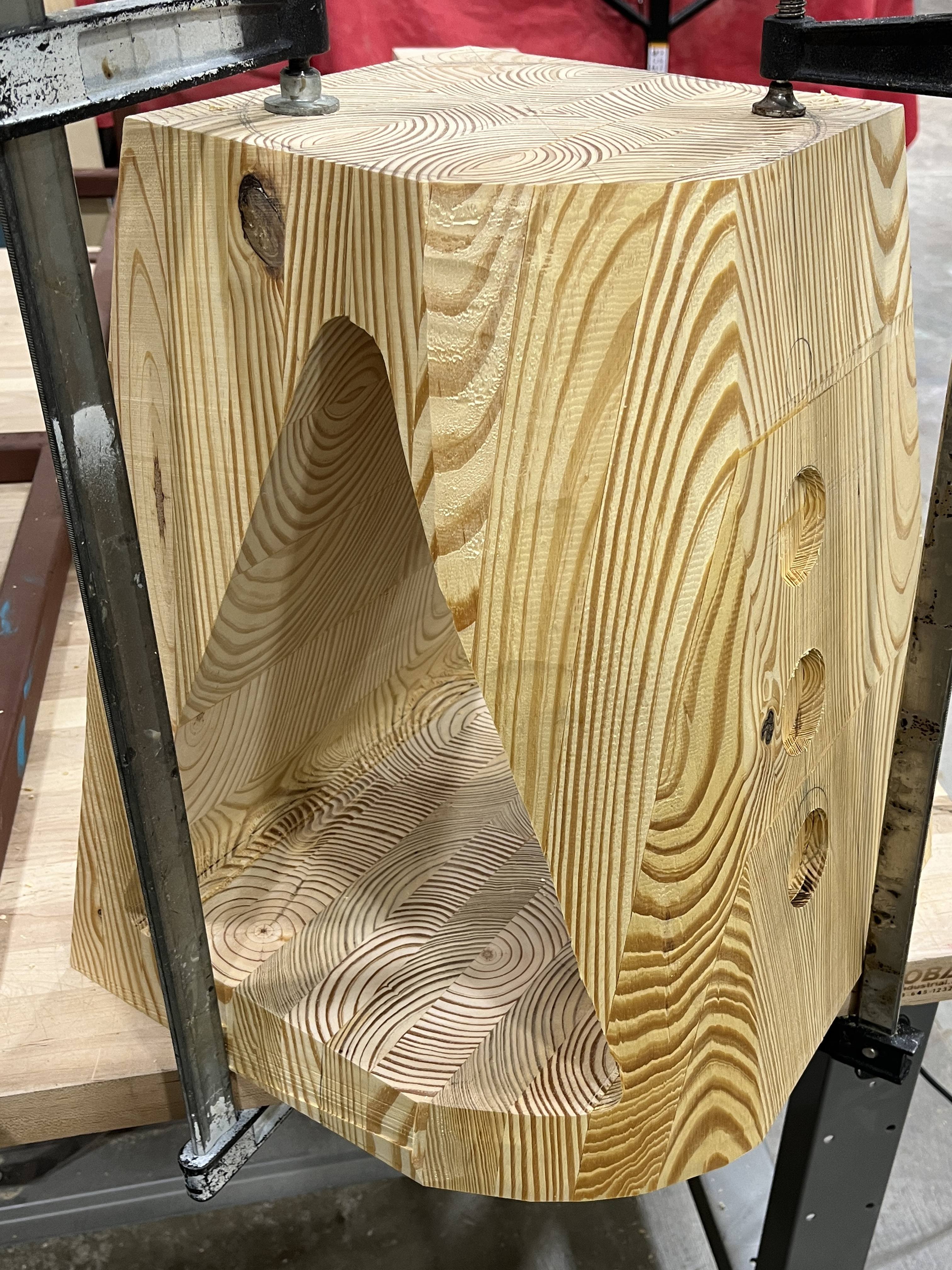
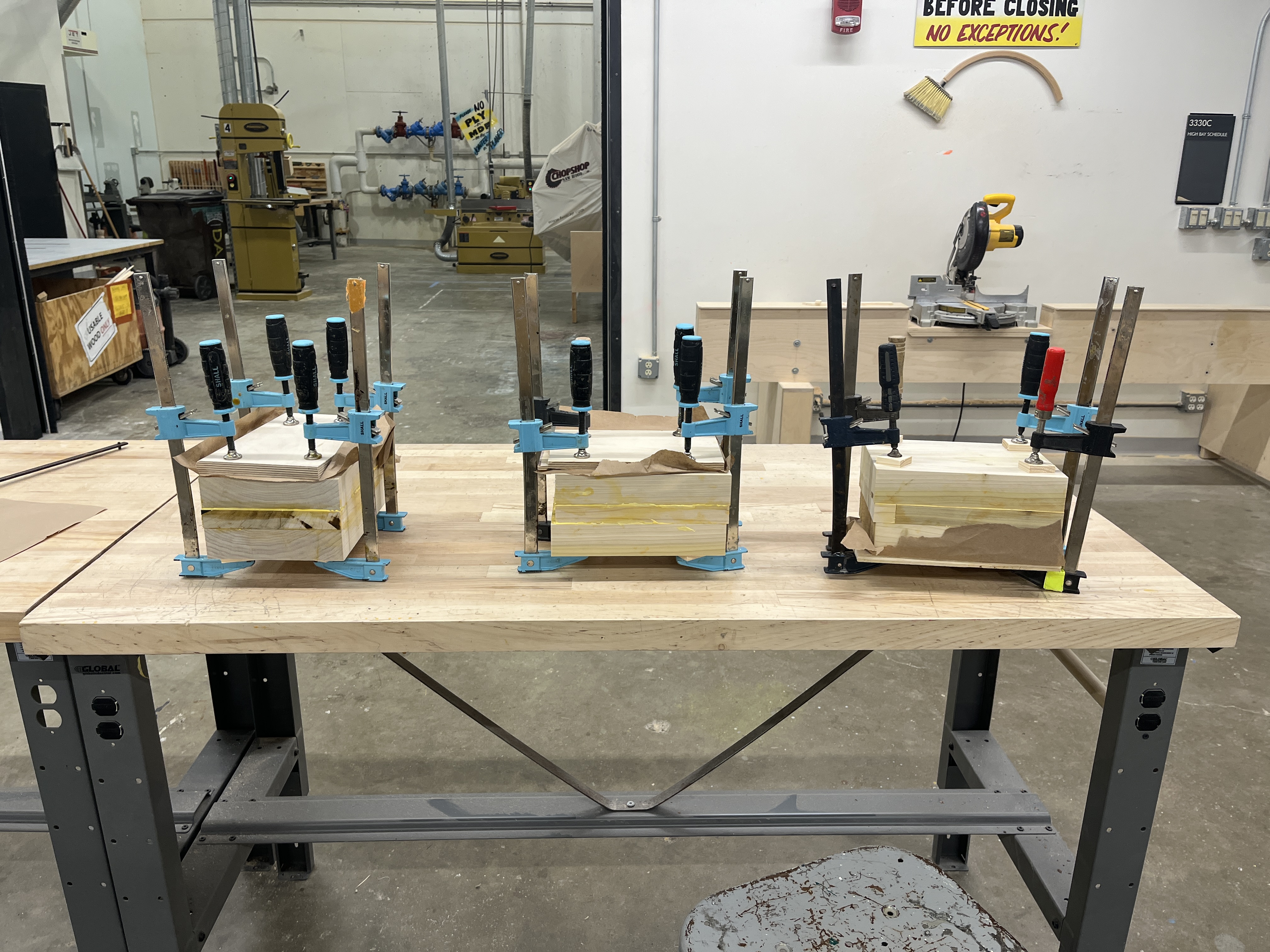
The main structure took over 4 weeks to build, due to the tedious gluing & clamping of the several 36 pieces of the yellow pine.
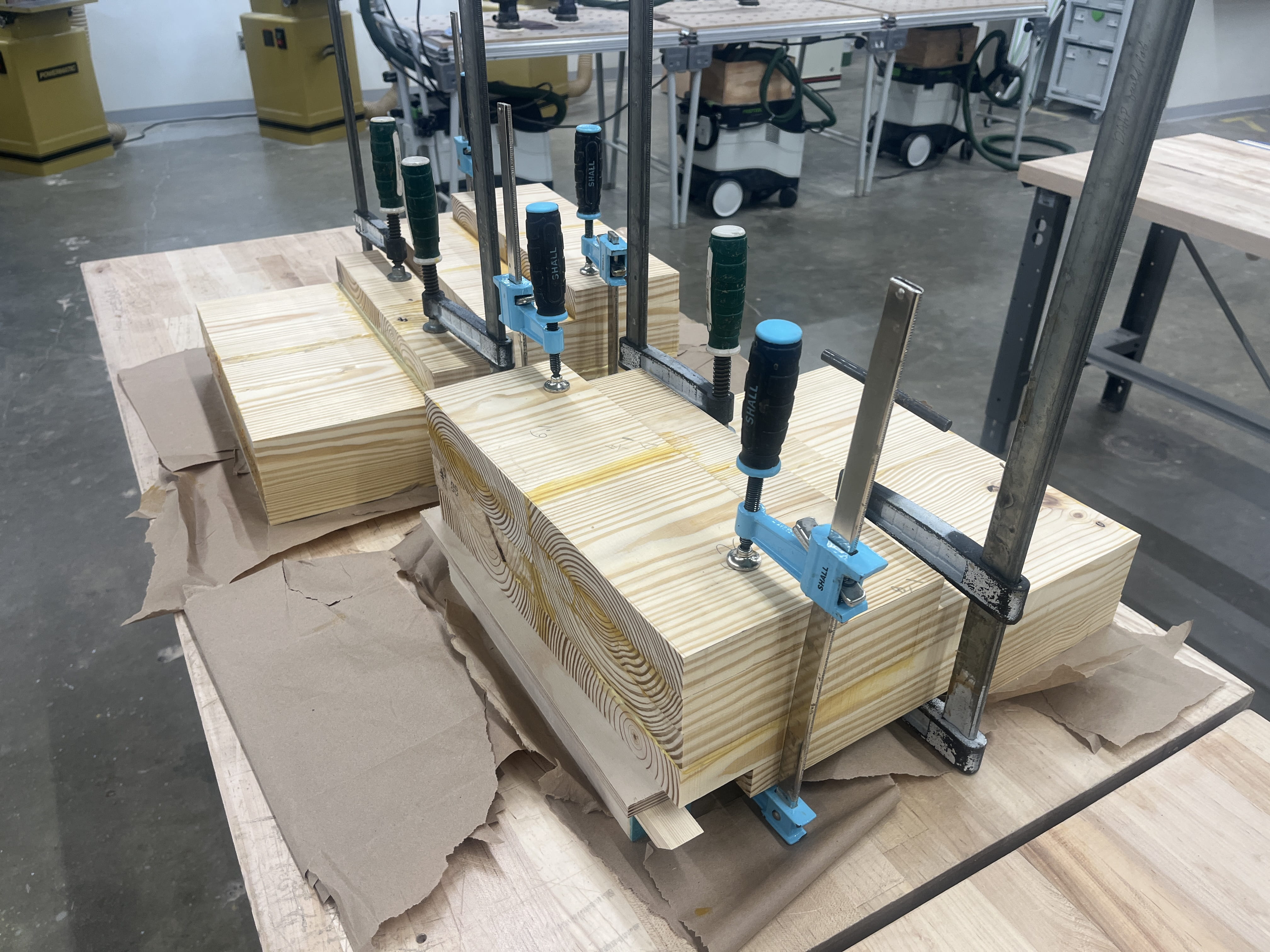
Overnight clamping & gluing of yellow pine - one night of many.
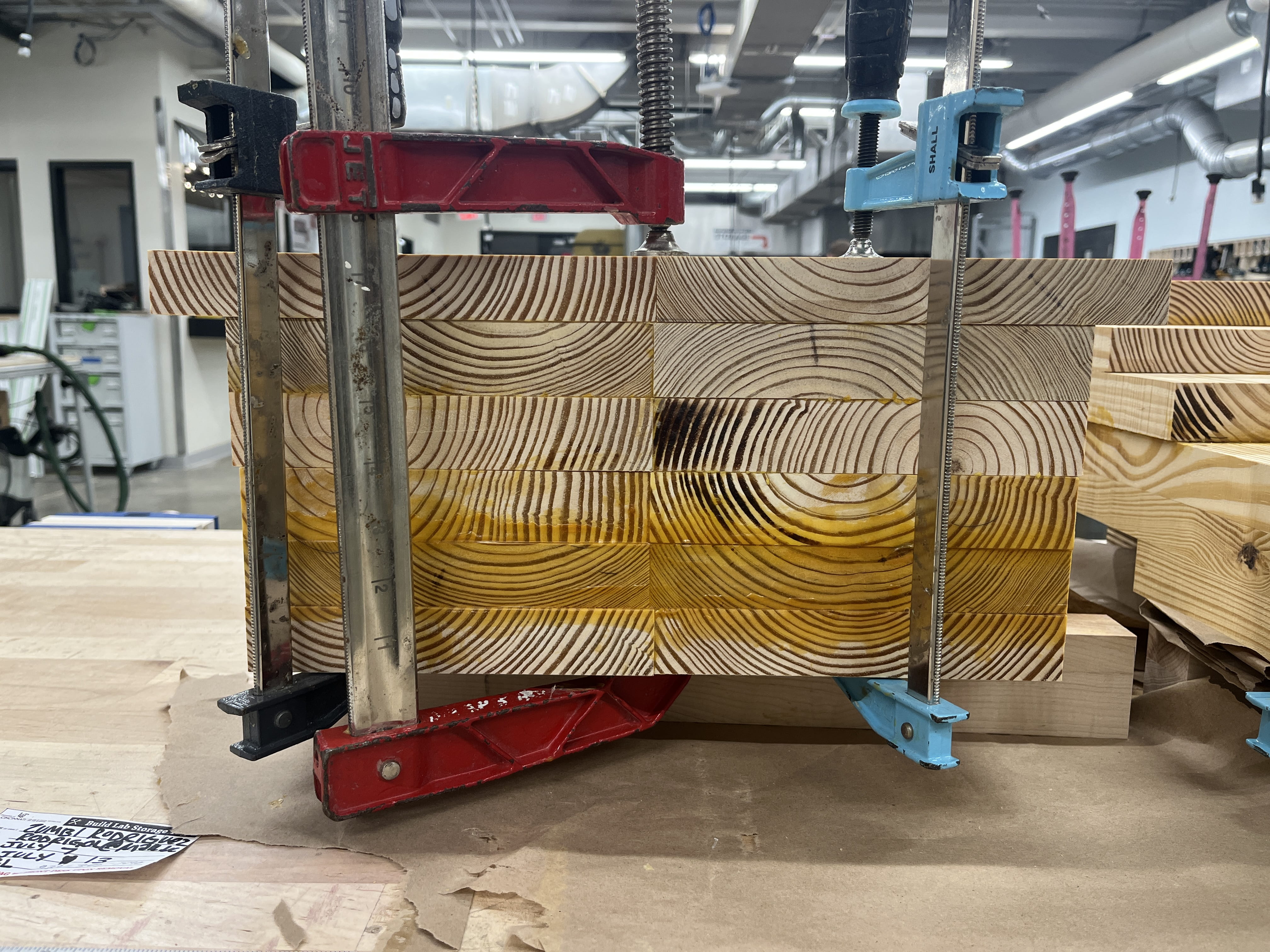
The clamping & gluing of 12 separate parts (with another 12 partially in view)
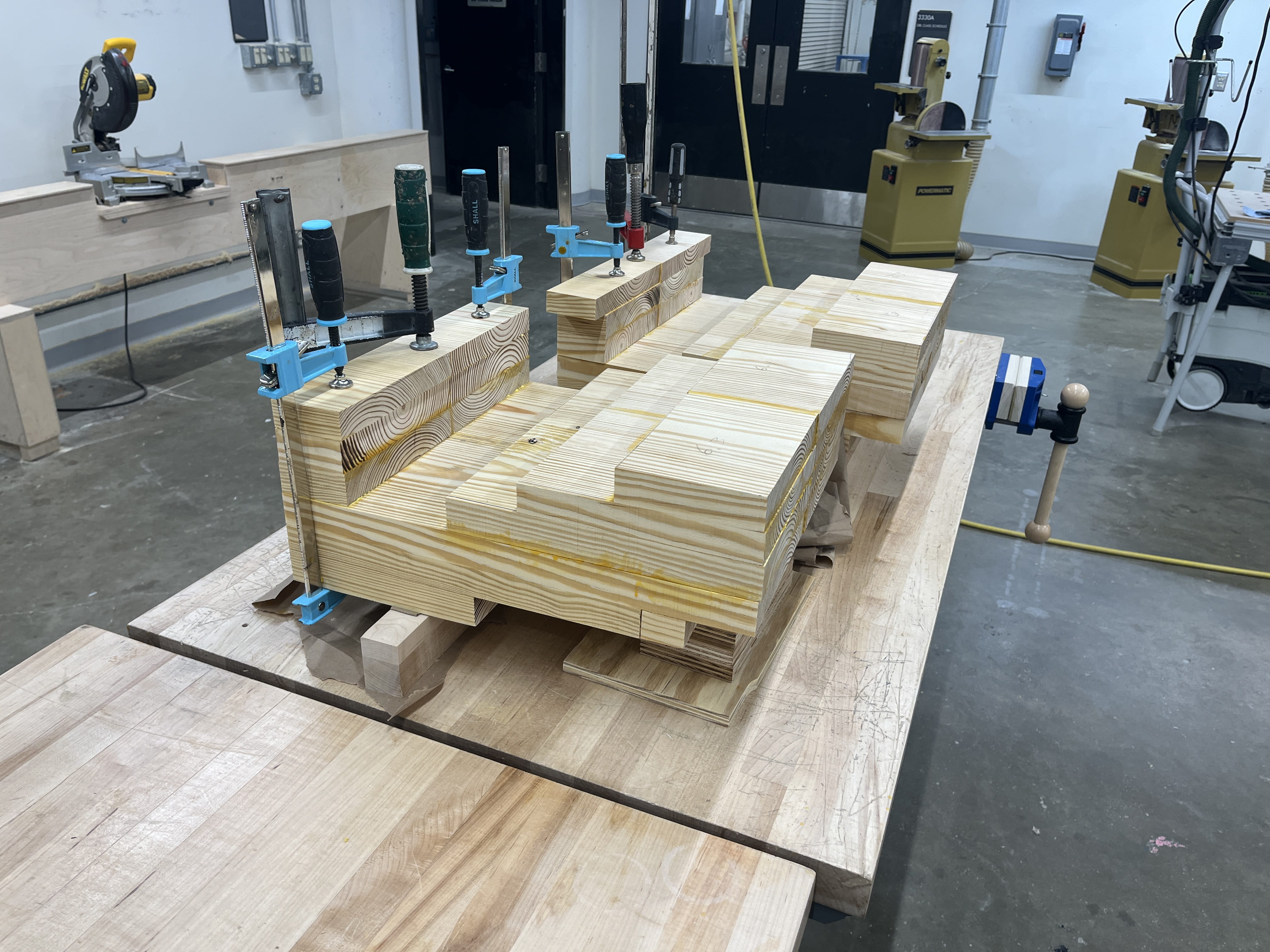
The final clamp & glue together of the two halves of the stool.
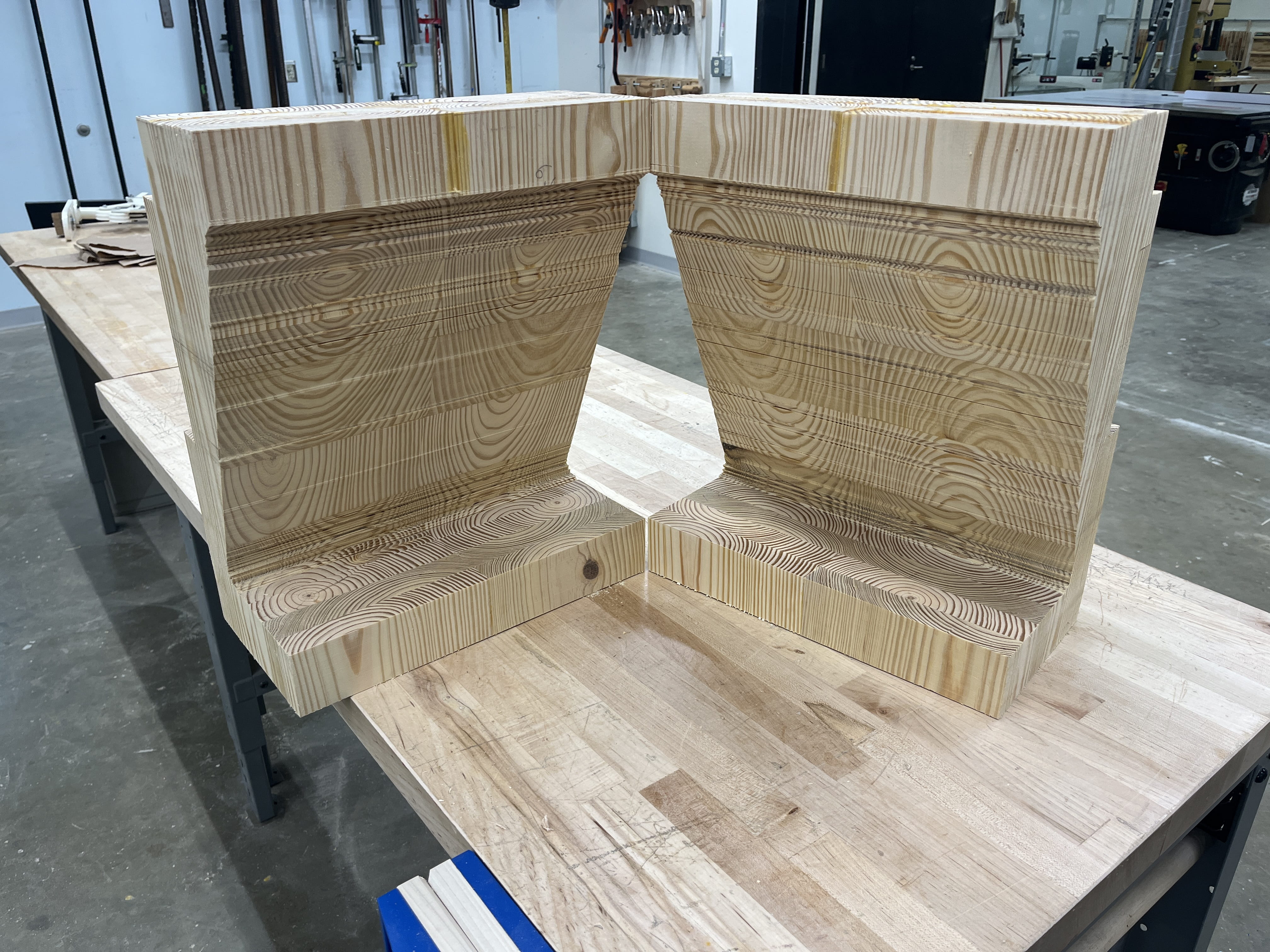
A view of the two halves after sawing the internal shape smooth.
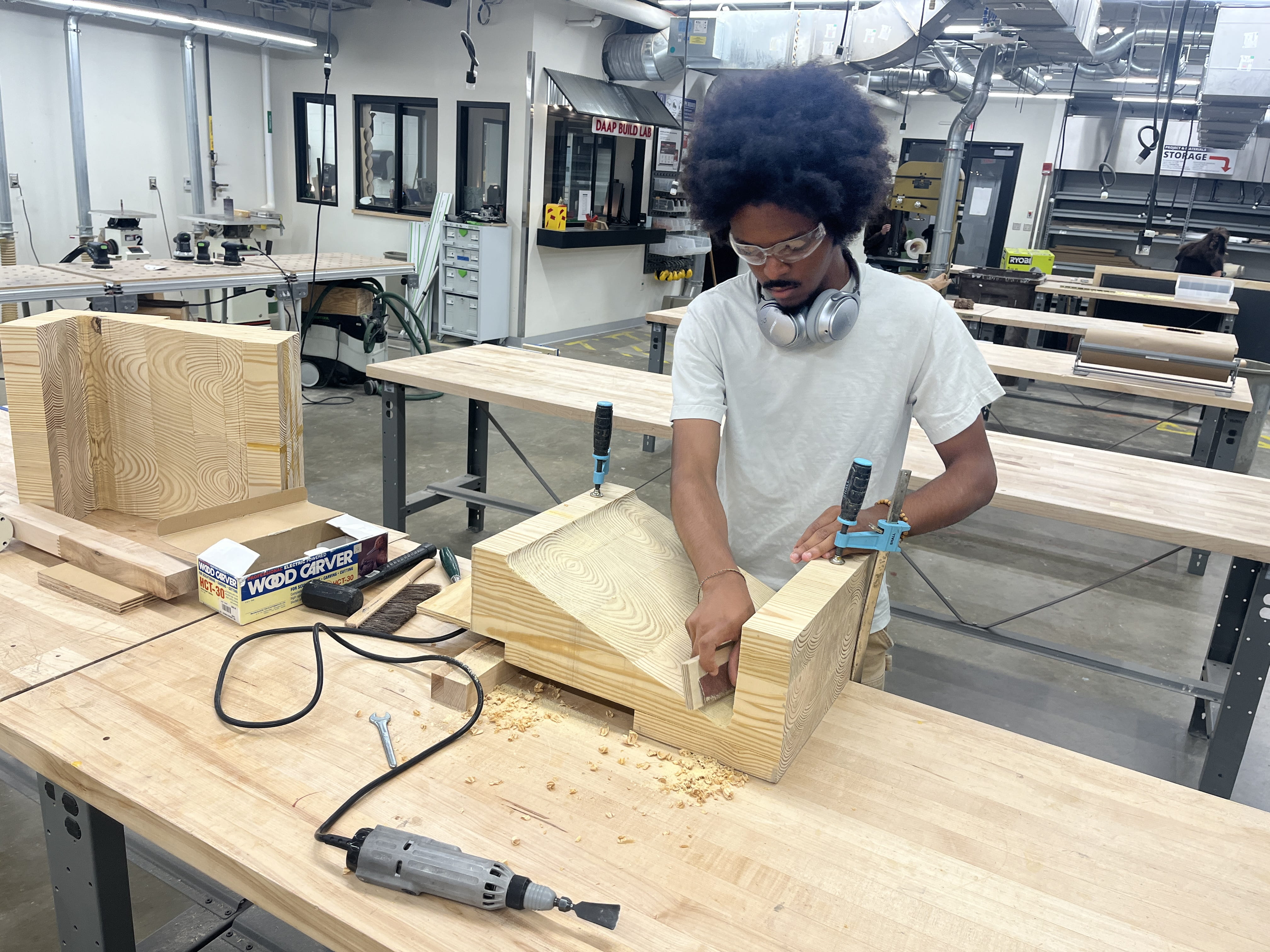
Hand-sanding the triangular extrusion before gluing the two halves together.